619-928-5000
  Request Service
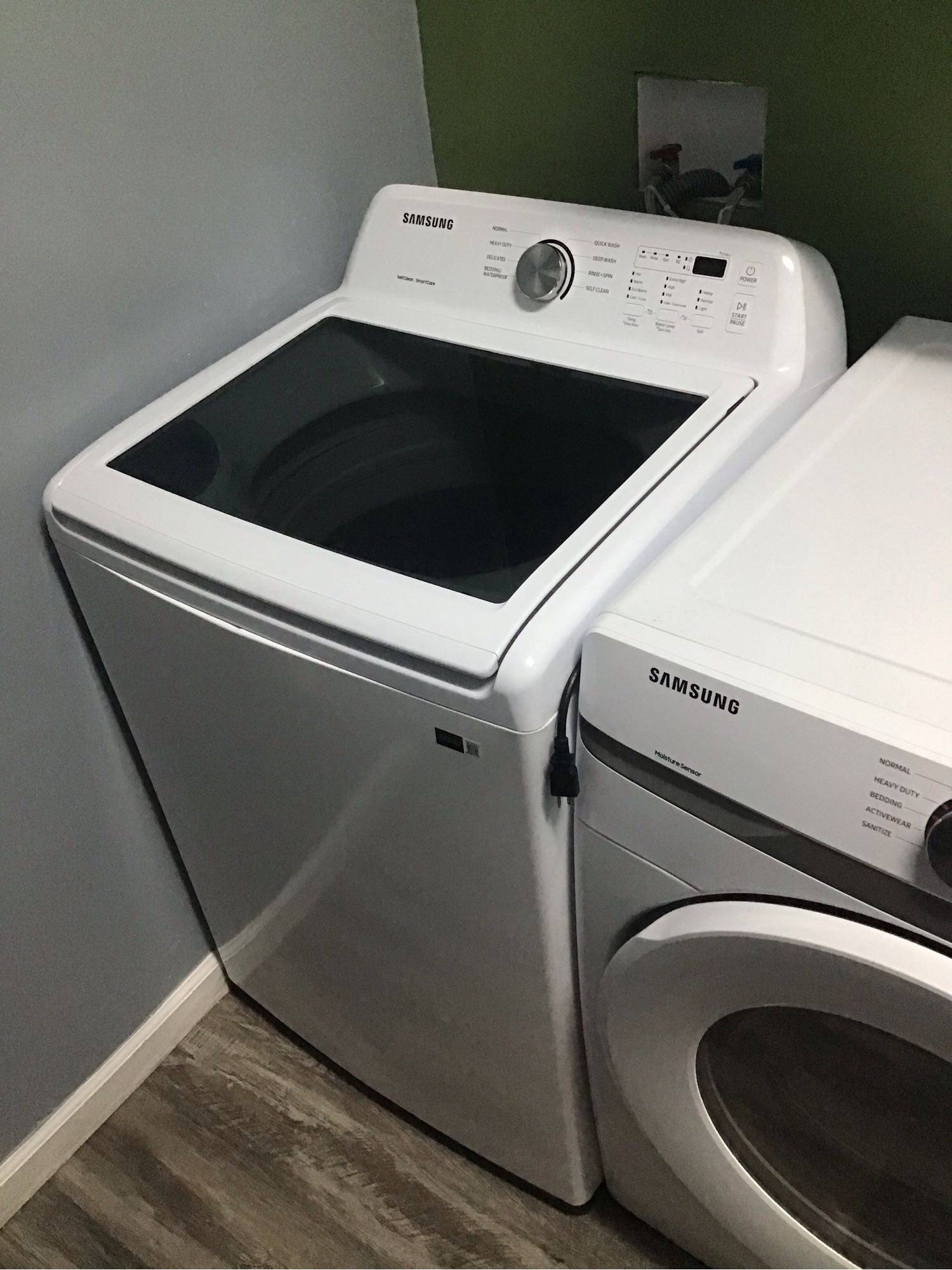
A washing machine that suddenly shortens its cycle is usually signaling a problem in how it reads or processes program data. Modern appliances rely on electronic control systems that constantly adjust timing based on sensor feedback. When something disrupts that process, the machine may “decide” the load is already clean or skip stages entirely.
Faulty water level sensing
One of the most common reasons is an inaccurate water level reading. The pressure sensor (or air trap system) tells the control board how much water is inside the drum. If the sensor becomes clogged with detergent residue or the air hose is partially blocked, the machine may think the drum filled faster than it actually did. As a result, it reduces rinse or wash time because it assumes the cycle is already complete.
Temperature sensor malfunctions
Wash programs often depend on reaching specific temperatures before moving to the next stage. If the thermistor reports incorrect values, the control board may skip heating phases or end cycles early. This is especially noticeable in programs designed for heavy soil removal or hygienic washing.
Control board glitches
The electronic control module is the “brain” of the appliance. Power surges, moisture exposure, or aging components can cause corrupted cycle logic. In such cases, the machine may randomly switch to shorter programs or reset mid-cycle without completing all stages.
Software or firmware errors
Some newer washing machines rely on programmable firmware. A bug or incomplete update can affect timing logic. This may lead to inconsistent cycle durations, especially when switching between different wash modes.
Load imbalance and automatic adjustment
Machines with load-sensing technology adjust cycle time based on drum balance. If the load is uneven or the sensor misinterprets vibration patterns, it may shorten spin or rinse stages to protect internal components.
Water supply inconsistencies
Low or fluctuating water pressure can confuse the inlet system. If the machine cannot maintain expected flow rates, it may skip steps to complete the cycle within safety limits.
Worn wiring or loose connectors
Electrical connections between sensors and the control board can degrade over time. Intermittent signals may cause the system to misread conditions and prematurely end cycles.
What this means in practice
A shortened cycle is rarely random. It usually reflects a mismatch between what the machine expects and what its sensors report. Ignoring the issue can lead to poorly washed clothes, detergent residue, or repeated cycle failures.
Accurate diagnosis requires checking sensor readings, inlet pressure, and control board response. In many cases, cleaning blocked hoses or recalibrating the system restores normal operation. If the control module is damaged, replacement becomes necessary.
For persistent issues, professional diagnostics are the safest option. Modern machines are tightly integrated systems, and small sensor errors can cascade into full program failures.
If your washing machine keeps cutting cycles short or behaving unpredictably, contact HOME APPLIANCE SERVICE CENTER. Professional technicians can identify sensor faults, control board issues, and restore stable operation before the problem leads to further damage.
Contact us