619-928-5000
  Request Service
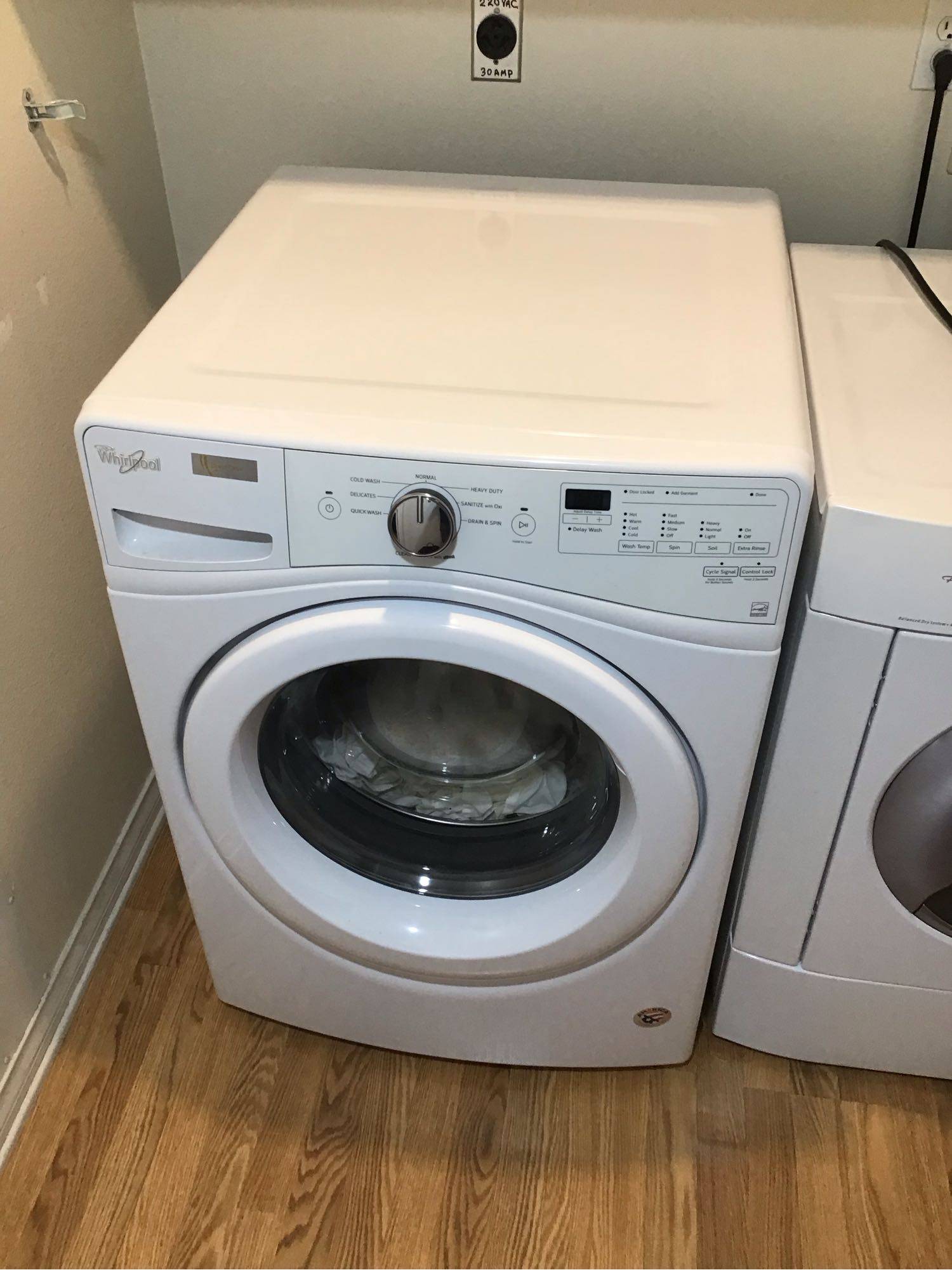
A washing machine making a brief grinding sound at the start of a cycle is usually one of those small things people notice but tend to ignore. In many homes, especially when looking for washing machine repair in Chula Vista, this is the first sign that something inside the appliance is starting to wear down. The machine still runs, the cycle completes, and the sound disappears quickly, so it doesn’t feel urgent. But that short noise often comes from the drive system, and that’s where most of the work happens when the washer starts.
In many cases, appliance repair Chula Vista technicians see this exact symptom long before a full breakdown happens. It usually starts small, then becomes more frequent over time.
What’s happening when the sound appears
When a cycle begins, the motor engages, and power is transferred through belts, pulleys, or a coupler system into the drum. If any part of this chain has wear, the first seconds of movement can create friction or slipping. That’s what produces the grinding sound.
People searching for washer repair Chula Vista often describe it the same way: a short, rough noise right before the drum starts moving normally.
It’s not random. It’s usually mechanical resistance at the exact moment the system tries to engage.
Drive belt wear
One of the most common reasons behind washing machine service Chula Vista calls is a worn drive belt. Over time, belts stretch and lose tension. Even a small change is enough to affect startup performance.
When the belt slips for a split second before gripping the pulley, it creates that grinding or scraping sound. It may not happen every cycle at first, which is why it gets overlooked.
With continued use, the belt usually starts affecting spin strength as well. Clothes may come out wetter, or the drum may take longer to reach speed.
This is one of the simpler fixes, but only if caught early during basic washing machine maintenance.
Pulley wear and alignment issues
Another common source is the pulley system. The belt relies on smooth movement across metal or plastic wheels. If a pulley wears unevenly or shifts slightly out of alignment, the belt doesn’t move cleanly during startup.
In real service cases, appliance repair service visits often reveal light scoring on pulleys that started as a minor noise complaint.
The sound doesn’t last long because once everything locks into motion, friction reduces. But the wear continues in the background.
Motor coupler problems
Some machines don’t use belts at all. Instead, they rely on a motor coupler that connects the motor directly to the transmission.
When this part starts to fail, it can produce a short grinding or clicking sound exactly when the cycle begins. It happens because the coupler briefly struggles to transfer motion smoothly.
A washing machine technician will usually check this early, because a partially damaged coupler tends to worsen quickly. Left alone, it can lead to a complete loss of agitation or spin function.
Transmission strain
The transmission handles the actual movement logic of the drum. When it starts wearing out, the early symptom is often noise at startup.
Unlike belt issues, this one feels deeper and more mechanical. People sometimes describe it as a short “rough kick” when the cycle begins.
In many washer drive system repair cases, the transmission is not fully broken yet. It’s just starting to show internal wear. That’s the stage where repair is still manageable.
Motor wear
The motor itself can also be responsible. Bearings inside the motor can create resistance when starting from rest. That resistance shows up as a brief grinding sound.
Over time, this can develop into humming, overheating, or inconsistent cycles. At that point, washer not working properly becomes a more frequent complaint.
Motor issues are less common than belts or pulleys, but they are more serious when they do appear.
Small objects inside the system
Not every case is wear-related. Sometimes coins, buttons, or small objects slip into areas near moving parts.
At startup, those objects can briefly hit rotating components and create a grinding sound. It’s short, sharp, and usually inconsistent.
During washing machine repair Chula Vista service calls, technicians often find this after checking the drive system and ruling out mechanical wear.
Why ignoring the sound creates bigger problems
A short noise feels harmless. The washer still runs, and most people delay checking it.
The problem is that drive systems don’t recover on their own. If a belt starts slipping or a pulley starts wearing, the stress spreads to other parts.
What starts as a simple washer repair Chula Vista service call can turn into a full component replacement if left too long.
Common outcomes of delay include:
- increased vibration
- weaker spin cycles
- longer wash times
- higher repair costs
- complete breakdown of the drive system
What makes sense to do
If the sound repeats, the best step is simple: get it checked early.
A basic inspection during washing machine service Chula Vista is usually enough to identify whether the issue is belt-related, pulley wear, coupler damage, or something deeper in the transmission.
Catching it early keeps the repair smaller and avoids unnecessary strain on the rest of the machine.
A washing machine making a brief grinding sound at startup is rarely accidental. It’s usually the first stage of mechanical wear inside the drive system. It doesn’t mean immediate failure, but it does mean something inside is no longer moving as smoothly as it should.
HOME APPLIANCE SERVICE CENTER provides appliance repair Chula Vista homeowners rely on for these exact situations. If the washer is showing early signs like startup noise or uneven operation, getting it checked sooner rather than later usually prevents a larger repair later on.
Contact us