619-928-5000
  Request Service
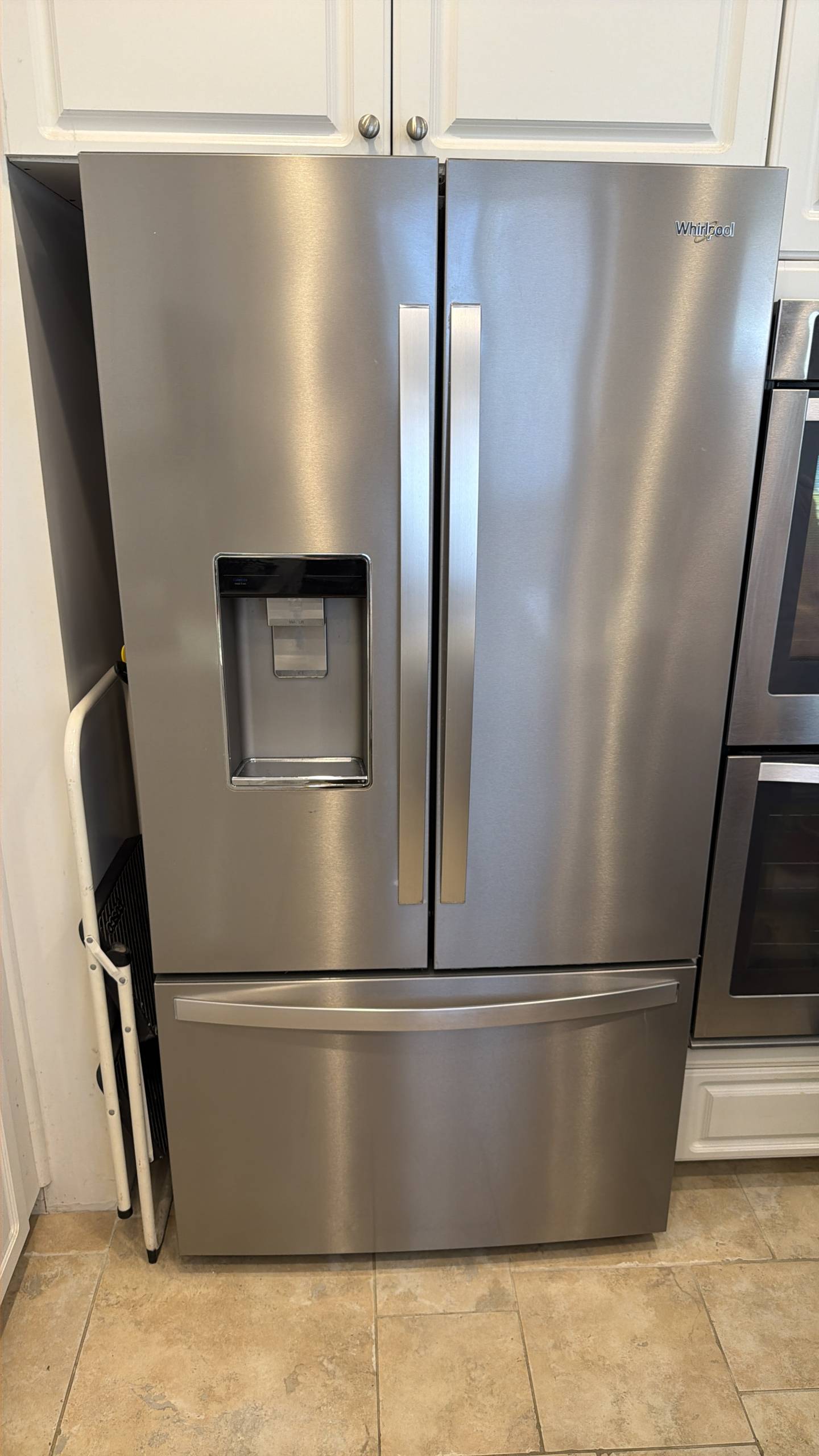
A refrigerator is designed to keep food fresh by maintaining a stable temperature throughout its compartments. When the fresh food section starts freezing vegetables, drinks, dairy products, or other items, it becomes more than a minor inconvenience. Frozen produce loses texture, beverages may burst, and food quality can quickly decline. While many homeowners assume the refrigerator is simply set too cold, the underlying cause is often related to thermostat problems or airflow control issues.
Understanding why freezing occurs in the refrigerator compartment can help identify the source of the problem and determine whether professional repair is needed.
How the Refrigerator Controls Temperature
Most refrigerators cool the fresh food compartment using cold air generated in the freezer section. A system of vents, dampers, sensors, and controls regulates how much cold air enters the refrigerator compartment.
When all components function properly, temperatures remain within the recommended range of 35°F to 38°F (1.7°C to 3.3°C). If one part of the temperature management system fails, excessive cold air may enter the fresh food section and freeze items that should remain chilled.
Faulty Thermostat Readings
One of the most common causes of freezing in the refrigerator compartment is a malfunctioning thermostat.
The thermostat monitors internal temperatures and signals the cooling system when to start or stop operating. If it incorrectly detects temperatures that are warmer than reality, the compressor may continue running longer than necessary.
As a result, temperatures in the fresh food compartment can drop below freezing, causing damage to vegetables, fruits, beverages, and other stored items.
Common signs of thermostat problems include:
- Food freezing in multiple locations
- Refrigerator running longer than usual
- Inconsistent temperatures throughout the compartment
- Sudden changes in cooling performance
A thermostat that provides inaccurate readings often requires testing and replacement by a qualified technician.
Damaged Temperature Sensor
Many modern refrigerators use electronic temperature sensors instead of traditional thermostats.
These sensors constantly communicate with the control board and help regulate cooling cycles. If a sensor becomes defective, it may send incorrect information about compartment temperatures.
When the control board receives inaccurate readings, it may continue cooling unnecessarily, leading to freezing conditions in the refrigerator section.
Sensor failures are difficult to diagnose without proper equipment because the symptoms often resemble other cooling system issues.
Air Damper Problems
The air damper controls the flow of cold air from the freezer into the fresh food compartment.
When functioning correctly, the damper opens and closes as needed to maintain proper temperatures. However, if it becomes stuck in the open position, excessive cold air continuously enters the refrigerator compartment.
This often causes freezing near air vents, especially on upper shelves or toward the rear of the refrigerator.
Typical symptoms of a faulty air damper include:
- Frozen vegetables near vents
- Drinks becoming icy
- Uneven temperatures between shelves
- Excessively cold areas in specific sections
Damper assemblies can wear out over time or become obstructed, preventing proper airflow regulation.
Blocked or Misdirected Airflow
Airflow inside the refrigerator is carefully engineered to distribute cooling evenly. Overpacked shelves, blocked vents, or misplaced food containers can interfere with this circulation.
When airflow becomes restricted, cold air may concentrate in certain locations, creating freezing zones while other areas remain at normal temperatures.
To reduce airflow-related problems:
- Keep vents unobstructed
- Avoid packing items tightly against the rear wall
- Leave space between food containers
- Follow manufacturer recommendations for loading shelves
If freezing continues after improving airflow, a mechanical issue may be present.
Electronic Control Board Issues
Many modern refrigerators rely on electronic control boards to coordinate cooling functions.
The control board receives information from sensors and adjusts compressor operation, fan speeds, and airflow components accordingly. If the board develops faults, it may mismanage cooling cycles and send too much cold air into the refrigerator compartment.
Control board failures can produce a variety of symptoms, including:
- Random temperature fluctuations
- Freezing food in the refrigerator section
- Excessive compressor operation
- Intermittent cooling performance
Because control boards are complex electronic components, professional diagnosis is usually necessary.
Faulty Evaporator Fan Operation
The evaporator fan circulates cold air throughout the refrigerator. If the fan runs continuously or operates at the wrong speed due to electrical or control issues, cold air distribution may become excessive.
This can create freezing conditions in areas closest to airflow outlets.
Unusual fan noises, inconsistent temperatures, and frozen food near vents may indicate evaporator fan problems.
Incorrect Temperature Settings
Although component failures are common causes of freezing, temperature settings should always be checked first.
Sometimes controls are accidentally adjusted during cleaning or while placing groceries inside the refrigerator.
Recommended settings generally include:
- Refrigerator compartment: 35°F–38°F (1.7°C–3.3°C)
- Freezer compartment: 0°F (-18°C)
If temperatures remain too cold despite proper settings, professional inspection may be required.
Why Professional Diagnosis Matters
Several refrigerator components work together to regulate temperature. Thermostats, sensors, dampers, fans, and control boards can all contribute to freezing problems.
Because many symptoms overlap, replacing parts without proper testing can lead to unnecessary expenses and continued performance issues. Professional technicians can accurately identify the failing component and restore proper refrigerator operation.
Schedule Service with HOME APPLIANCE SERVICE CENTER
If your refrigerator’s fresh food section is freezing vegetables, beverages, or other groceries, don’t ignore the warning signs. A faulty thermostat, malfunctioning sensor, airflow control issue, or electronic component failure may be affecting temperature regulation.
The experienced technicians at HOME APPLIANCE SERVICE CENTER can diagnose the problem quickly and provide reliable repairs to restore proper cooling performance. Contact HOME APPLIANCE SERVICE CENTER today and schedule professional refrigerator service to keep your food fresh, protected, and stored at the correct temperature.
Contact us