619-928-5000
  Request Service
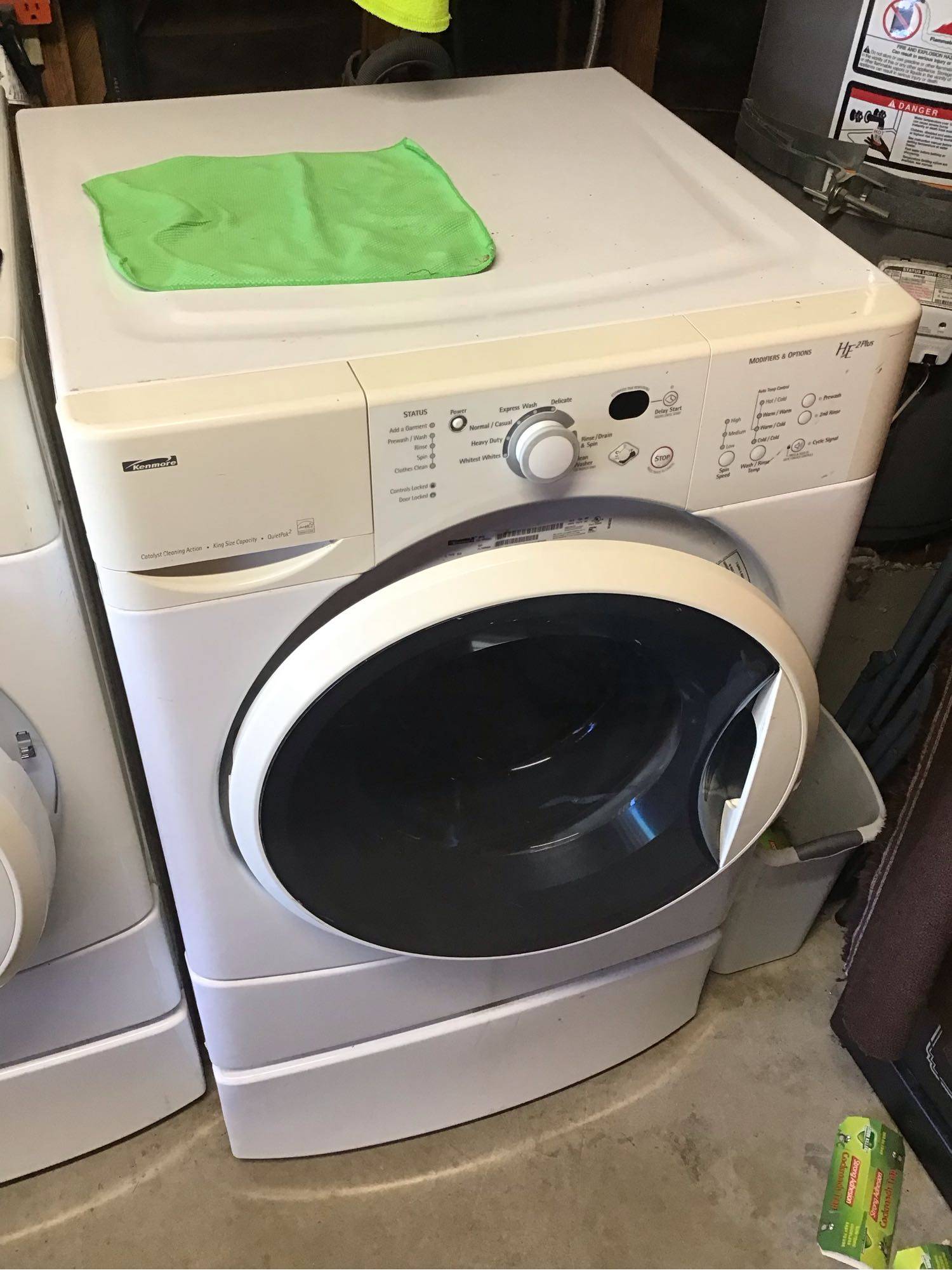
When a Whirlpool washing machine starts a cycle but no water enters the drum, the problem can quickly interrupt your laundry routine. A washer that remains empty may display an error code, continue making a humming sound, or simply sit without progressing through the cycle. One of the most common causes is a defective water inlet valve, although several other components can produce similar symptoms. Understanding what may be happening can help you identify the problem and decide when professional appliance repair is necessary.
What Does the Water Inlet Valve Do?
The water inlet valve controls the flow of hot and cold water into the washing machine. It is connected to the household water supply and receives an electrical signal from the washer’s control system when the cycle requires water. Inside the valve are electrically operated solenoids. Depending on the selected cycle and temperature, the washer activates the appropriate solenoid to open the valve and allow water to enter. If the valve fails electrically or mechanically, the washing machine may receive the command to fill but remain empty.
Common Signs of a Failed Inlet Valve
A Whirlpool washer with an inlet valve problem can show several symptoms. The most obvious sign is that the drum does not fill with water after you start a cycle. You may hear the washer begin operating, but there is no sound of water entering. Another indication is very slow filling. If water enters the tub only as a weak trickle, the valve may be restricted by mineral deposits, sediment, or internal damage. Some failures affect only one side of the valve. For example, cold water may work normally while hot water does not. This can make the problem less obvious because the machine may still fill under certain cycle settings. You may also hear a buzzing or humming sound when the washer attempts to fill. This can indicate that the valve is receiving power but cannot open properly.
Why Does the Inlet Valve Fail?
Several factors can cause a Whirlpool water inlet valve to stop working. Mineral buildup is a common problem, especially in areas with hard water. Deposits can accumulate inside the valve and restrict water flow. Sediment from household plumbing can also clog the small screens located at the valve’s water connections. These screens are designed to prevent debris from entering the washer, but they can eventually become obstructed. Electrical failure is another possibility. The solenoid inside the valve can develop an open or shorted circuit, preventing the valve from responding when voltage is supplied. Age and repeated use can also cause internal valve components to wear out. A valve that has operated through hundreds or thousands of cycles may eventually fail to open reliably.
Other Problems That Can Prevent Water From Entering
A failed inlet valve is only one possible cause. Before replacing the component, a technician should check the entire water supply system. Start with the household water supply. Make sure both hot and cold water faucets connected to the washer are fully open. A partially closed valve can significantly reduce water flow. The inlet hoses should also be inspected for kinks or crushing. A restricted hose can produce symptoms that look similar to an inlet valve failure. The small filter screens at the valve connections may be clogged. If these screens are heavily covered with sediment, water may enter extremely slowly or not at all. The washer’s door or lid lock can also play a role. Many modern washing machines will not begin filling until the control system confirms that the door or lid is securely closed. A defective pressure sensor, wiring connection, or electronic control board can also prevent the inlet valve from receiving the correct command.
How a Technician Diagnoses the Problem
Professional Whirlpool washing machine repair usually begins with a visual inspection and a test of the water supply. The technician can verify that the faucets are open, inspect the hoses, and check the inlet screens. If the external water supply is normal, the inlet valve can be tested electrically. A multimeter may be used to check the valve solenoids for continuity. The technician can also determine whether the valve receives the appropriate voltage when the washer enters its fill portion of the cycle. If the valve has proper electrical input but does not open, replacement may be necessary. If there is no electrical signal, the technician will need to investigate the wiring, control board, pressure system, or other related components. This diagnostic process helps prevent unnecessary parts replacement.
Should You Replace the Inlet Valve Yourself?
Replacing a water inlet valve may appear straightforward, but the washer must be disconnected from both electricity and the household water supply. Incorrect installation can result in leaks, electrical problems, or additional component damage. If the machine is still under warranty, unauthorized repairs may also create complications with warranty service. For these reasons, professional diagnosis is often the safer and more efficient option. A technician can identify the actual cause and install the correct replacement part for your Whirlpool model.
When to Schedule Washing Machine Repair
If your Whirlpool washing machine repeatedly fails to fill, operates with very low water flow, or stops before completing the cycle, it is worth arranging an inspection. Continuing to run the machine while it cannot fill correctly may leave the washer unable to complete its programmed cycle. The longer a malfunctioning appliance remains in use, the harder it can be to determine whether additional components have been affected. A professional technician can inspect the inlet valve, hoses, filters, electrical connections, control system, and other components that influence the filling process.
Get Professional Whirlpool Washing Machine Repair
A Whirlpool washing machine that won’t fill with water may need a new inlet valve, but accurate diagnosis is essential before replacing any part. Problems with the water supply, hoses, filters, wiring, sensors, or control board can create similar symptoms. If your washer is not filling properly, contact HOME APPLIANCE SERVICE CENTER to schedule professional appliance repair. A qualified technician can diagnose the problem, identify the failed component, and restore your washing machine to reliable operation. Call HOME APPLIANCE SERVICE CENTER today to schedule Whirlpool washing machine repair.
Contact us