619-928-5000
  Request Service
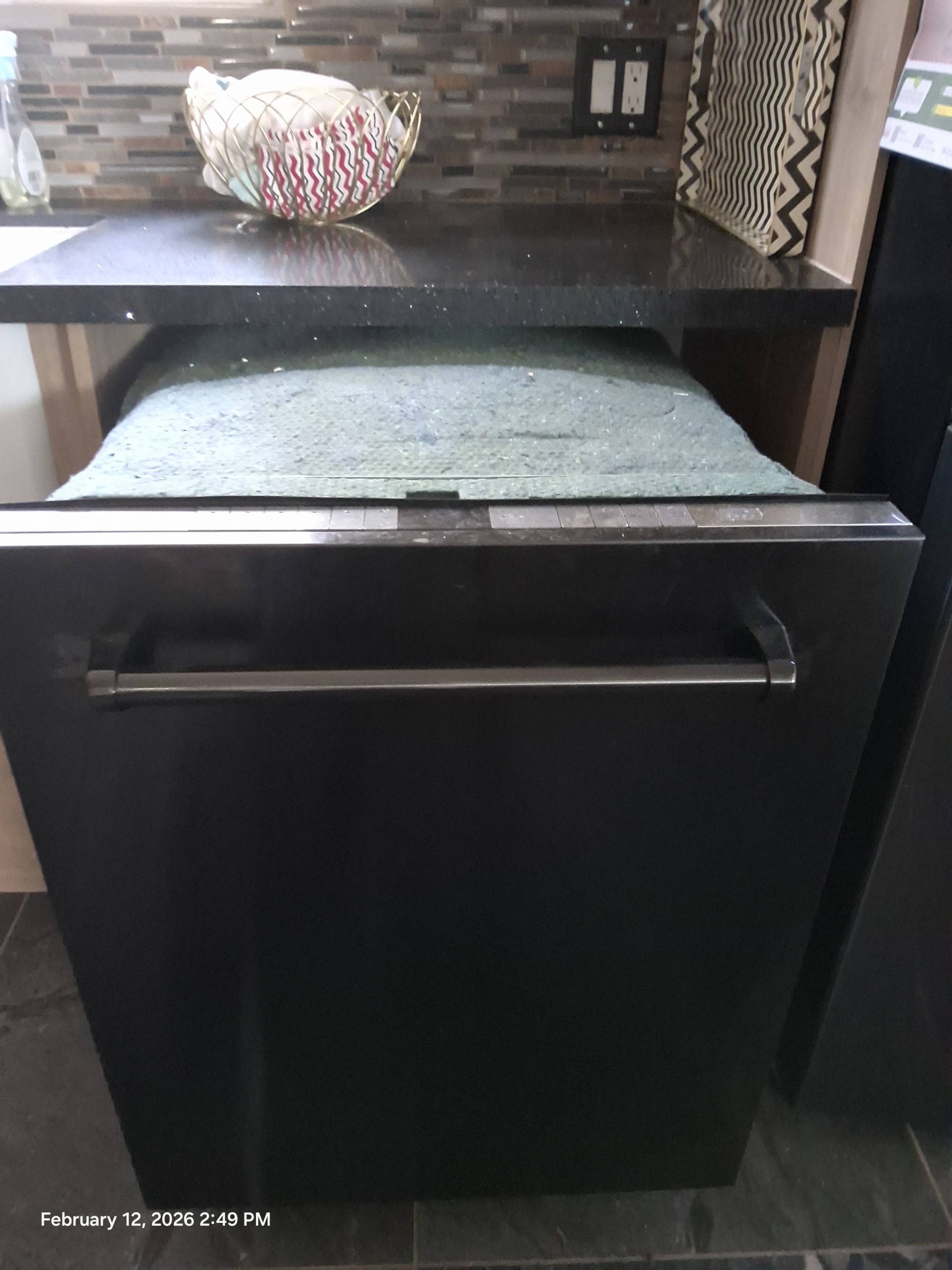
A dishwasher should leave dishes clean, odor-free, and ready to use immediately after the cycle ends. When plates, glasses, or utensils come out with a strong detergent smell, the problem usually points to poor rinsing performance or water that never reached the correct temperature during the wash cycle. In some cases, the issue develops gradually. In others, it appears suddenly after changing detergent, loading habits, or dishwasher settings.
Detergent residue should dissolve completely and rinse away before the cycle finishes. If that process is interrupted, chemical odors remain on dishes and can even affect the taste of food or drinks served afterward. Understanding the most common causes can help prevent further buildup and protect the dishwasher from additional wear.
One of the most frequent reasons for detergent smell is insufficient hot water. Most dishwashers rely on water temperatures between 120°F and 140°F to dissolve detergent properly. If the incoming water is too cool, detergent particles may stay partially undissolved and cling to dish surfaces throughout the cycle.
This problem often happens when:
- The water heater temperature is set too low
- Hot water takes too long to reach the dishwasher
- The dishwasher heating element is malfunctioning
- A temperature sensor is failing
When water does not heat correctly, detergent tablets and powders struggle to break down fully. Thick residue may collect inside cups, on glassware, or along the edges of plates. In many cases, users also notice cloudy dishes or greasy film alongside the detergent smell.
Another possible cause is a clogged or weak rinse system. Dishwashers use spray arms to distribute water evenly during washing and rinsing. If spray arm holes become blocked by food debris, mineral buildup, or grease, water pressure decreases. As a result, detergent remains trapped on dishes instead of being washed away completely.
Blocked spray arms may also create uneven cleaning patterns. Some dishes come out clean while others retain soap odor or visible residue. Lower racks are especially affected because they receive less effective water circulation when spray arms cannot rotate freely.
Rinse aid problems can also contribute to lingering detergent smell. Rinse aid helps water sheet off dishes during the final rinse cycle, reducing residue and speeding up drying. If the rinse aid dispenser is empty, clogged, or malfunctioning, detergent particles are more likely to remain behind after washing.
Hard water conditions make the issue even worse. Minerals in hard water interact with detergent and create stubborn deposits that are difficult to rinse away. Over time, buildup forms inside the dishwasher, including on filters, spray arms, and heating components. This buildup interferes with proper washing performance and traps detergent residue inside the machine.
A dirty dishwasher filter is another common factor. Filters are designed to catch food particles and debris during washing. When the filter becomes clogged, dirty water circulates back onto dishes during the rinse cycle. This contamination can mix with detergent residue and create unpleasant chemical smells.
Many homeowners overlook filter maintenance because the dishwasher still appears to operate normally. However, even a partially blocked filter can reduce drainage and water flow efficiency. Regular cleaning is necessary to maintain proper rinsing performance.
Improper detergent usage can also create persistent odor problems. Using too much detergent does not improve cleaning results. Instead, excess soap may remain inside the dishwasher after the rinse cycle ends. Modern dishwashers are designed to use concentrated detergents efficiently, so adding extra detergent often causes more problems than benefits.
The type of detergent matters as well. Some low-quality detergents leave stronger chemical residues, especially if paired with cooler wash temperatures or short eco cycles. Pods that fail to dissolve completely may stick inside the dispenser or collect in corners of the dishwasher tub.
Loading practices also affect rinse performance. Overloading dishes blocks water circulation and prevents spray arms from reaching all surfaces evenly. Large pots, cutting boards, or tightly packed plates may trap detergent and stop rinse water from fully flushing away residue.
In some situations, the dishwasher drain system may be partially blocked. If dirty water cannot drain properly between cycles, detergent-contaminated water stays inside the machine longer than intended. This leftover water may redistribute residue and odors onto dishes during the final rinse.
Signs of drainage issues often include:
- Water pooling at the bottom of the dishwasher
- Slow draining after cycles
- Musty or chemical odors inside the tub
- Gurgling sounds during draining
Electrical or control board problems can also interfere with rinse cycles and heating performance. A faulty control board may shorten cycles unexpectedly, skip rinse stages, or fail to activate the heating element properly. These issues are more difficult to diagnose without professional testing equipment.
Ignoring detergent smell problems may eventually lead to larger dishwasher failures. Heating element strain, clogged circulation systems, and pump damage can worsen over time if residue buildup continues inside the appliance. In addition, dishes that retain detergent residue may irritate sensitive skin or affect food safety.
Preventive maintenance helps reduce the risk of detergent residue and rinse problems. Homeowners should:
- Run hot water at the sink before starting the dishwasher
- Clean filters regularly
- Inspect spray arms for clogs
- Use the correct detergent amount
- Refill rinse aid consistently
- Avoid overloading dishes
- Periodically clean the dishwasher interior
If detergent smells continue despite basic maintenance, the appliance may require professional inspection. Internal heating failures, circulation pump issues, faulty sensors, or electronic control problems often need specialized tools and replacement parts.
HOME APPLIANCE SERVICE CENTER provides professional dishwasher diagnostics and repair services for rinse system problems, heating failures, drainage issues, and detergent residue concerns. Experienced technicians can identify the source of the problem quickly and restore proper dishwasher performance before more serious damage develops. Schedule service with HOME APPLIANCE SERVICE CENTER today and keep your dishwasher running efficiently with clean, fresh-smelling results after every cycle.
Contact us