619-928-5000
  Request Service
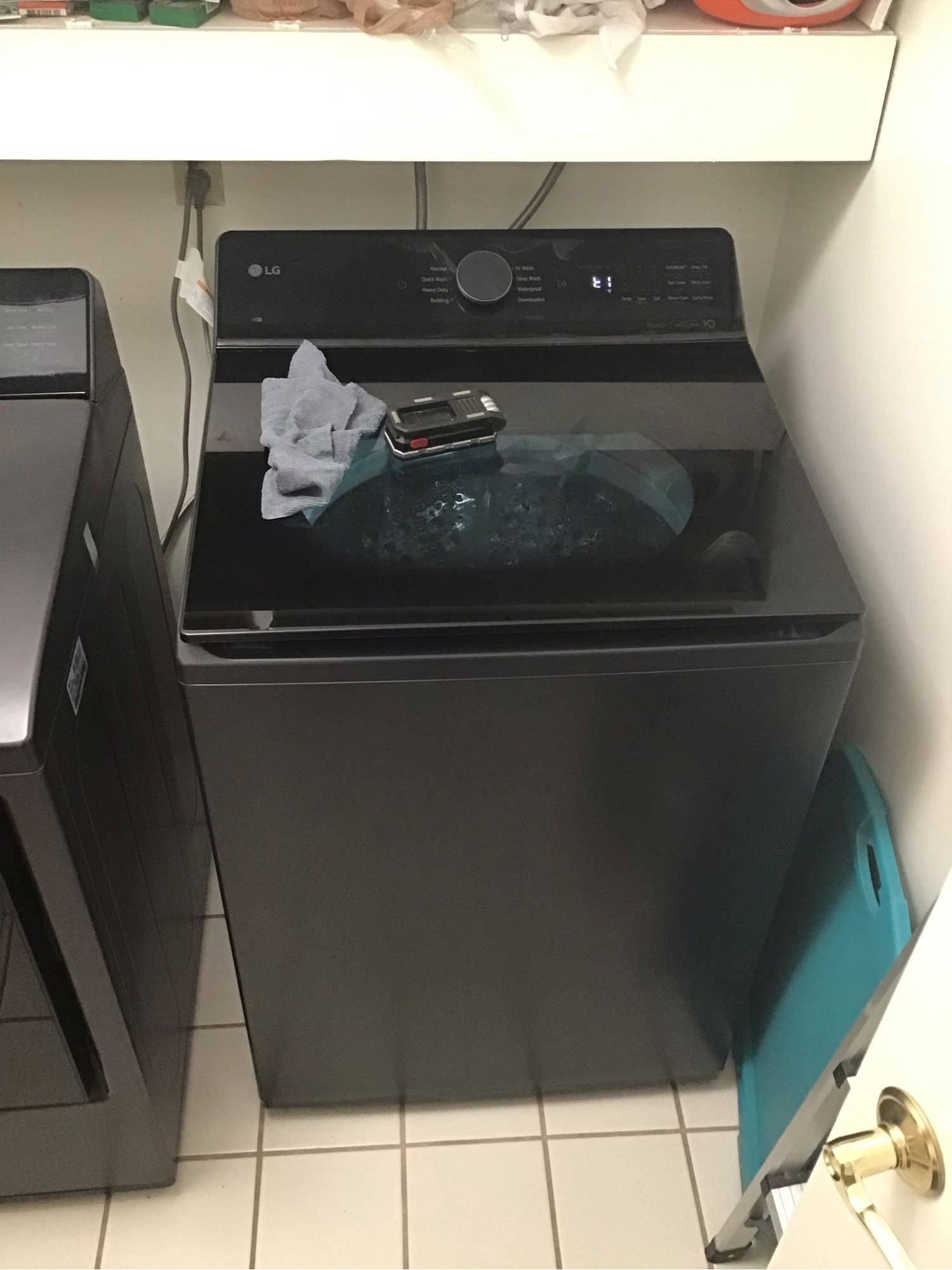
A washing machine that hums but refuses to start the wash cycle usually points to a mechanical or electrical problem inside the drive system. The machine receives power, the control board responds, and the motor attempts to engage, but something prevents the drum from turning properly. In many cases, the issue is connected to a failing start capacitor or a damaged motor.
This type of problem should not be ignored. Continuing to run the appliance while it struggles to start can overheat components, damage the motor windings, or lead to a complete system failure.
What the Humming Noise Usually Means
When a washing machine produces a low humming or buzzing sound after pressing Start, it often means electricity is reaching the motor but the motor cannot begin rotating. Normally, the start capacitor gives the motor the extra boost needed to begin movement. If that boost is missing, the motor may stay locked in place while producing a humming sound.
In other situations, the motor itself may be seized, overloaded, or internally damaged. The washer may attempt to begin the cycle several times before stopping completely.
The sound can happen during different stages:
- Immediately after selecting a wash cycle
- During agitation
- Right before spinning
- After the tub fills with water
The exact timing helps technicians narrow down the source of failure.
Possible Start Capacitor Failure
The start capacitor stores electrical energy and releases it when the motor needs additional starting torque. If the capacitor weakens or fails, the motor may no longer have enough force to begin turning.
Common signs of capacitor problems include:
- Humming without drum movement
- Washer starts only occasionally
- Burning electrical smell
- Delayed cycle startup
- Drum moves slightly then stops
Capacitors wear out over time due to heat, electrical fluctuations, and repeated usage cycles. In older machines, this is one of the most common causes of startup issues.
A failed capacitor should be replaced promptly. Ignoring the issue can place excessive strain on the motor and shorten the appliance’s lifespan.
Motor Problems That Prevent Washing
If the capacitor is working properly, the motor itself may be failing. Washing machine motors experience constant stress from heavy loads, vibration, and moisture exposure. Over time, internal components can wear down.
Possible motor-related failures include:
Worn Bearings
Motor bearings allow smooth rotation. When bearings wear out, the motor may lock or struggle to turn, producing a humming sound.
Burned Windings
Electrical overheating can damage the motor windings. This reduces power output and may stop the motor from functioning entirely.
Seized Rotor
A seized rotor prevents rotation even though electricity is still being supplied. This often creates a loud humming noise.
Overheating Protection Activation
Many washers include thermal protection systems that shut the motor down when temperatures become unsafe. If overheating occurs repeatedly, deeper electrical issues may exist.
Other Problems That Can Cause Similar Symptoms
Although capacitors and motors are common causes, several additional components may create similar behavior.
Jammed Drum
A foreign object stuck between the inner and outer tubs can stop drum movement. Coins, bra wires, buttons, or small clothing items are common culprits.
Broken Drive Belt
If the motor runs but the belt slips or breaks, the washer may hum without turning the drum.
Lid Switch Failure
Top-load washers often require a functioning lid switch before starting agitation or spinning. A faulty switch can interrupt operation.
Drain Pump Obstruction
Some washers refuse to continue cycles if drainage problems are detected. A blocked pump may cause the machine to stall during startup.
Control Board Malfunction
Electronic control boards manage motor activation and cycle timing. Damaged relays or wiring faults may prevent proper startup commands.
Why DIY Repairs Can Be Risky
Many washing machine components operate with high-voltage electricity even after the appliance is unplugged. Capacitors, in particular, can retain electrical charge and create shock hazards.
Motor systems also involve precise wiring configurations and moving parts. Incorrect repairs may worsen the damage or create safety risks.
Professional diagnostics are important because multiple failures can produce similar symptoms. Replacing the wrong component wastes time and money while the real problem continues to develop.
How Technicians Diagnose the Issue
A professional appliance technician typically follows several inspection steps:
- Testing capacitor performance
- Measuring motor resistance
- Inspecting wiring connections
- Checking drum movement manually
- Evaluating control board signals
- Inspecting belts and pulleys
- Looking for signs of overheating or burning
This process identifies whether the issue involves the motor, capacitor, wiring, or another mechanical obstruction.
Preventing Future Washer Motor Problems
While some failures occur naturally with age, proper maintenance can reduce stress on washer components.
Avoid Overloading
Heavy loads force the motor to work harder during agitation and spinning.
Use Balanced Loads
Uneven loads increase vibration and strain on bearings and suspension systems.
Clean the Washer Regularly
Lint, debris, and detergent buildup can affect internal performance.
Respond to Unusual Sounds Early
Grinding, humming, clicking, or buzzing noises often appear before major failure occurs.
Protect Against Electrical Surges
Power fluctuations can damage capacitors and electronic controls.
When to Call for Professional Service
If your washing machine hums but fails to start washing, immediate service is recommended when:
- The drum does not move at all
- A burning smell appears
- The washer repeatedly shuts off
- Breakers trip during operation
- The humming becomes louder over time
- Water fills but agitation never begins
Delaying repairs may increase the extent of the damage and lead to more expensive repairs later.
HOME APPLIANCE SERVICE CENTER provides professional washing machine diagnostics and repair services for startup failures, motor problems, capacitor replacement, and electrical system issues. Experienced technicians can quickly identify the source of the humming noise and restore your washer to proper operation.
If your washing machine refuses to start despite making noise, contact HOME APPLIANCE SERVICE CENTER today to schedule expert appliance repair service.
Contact us