619-928-5000
  Request Service
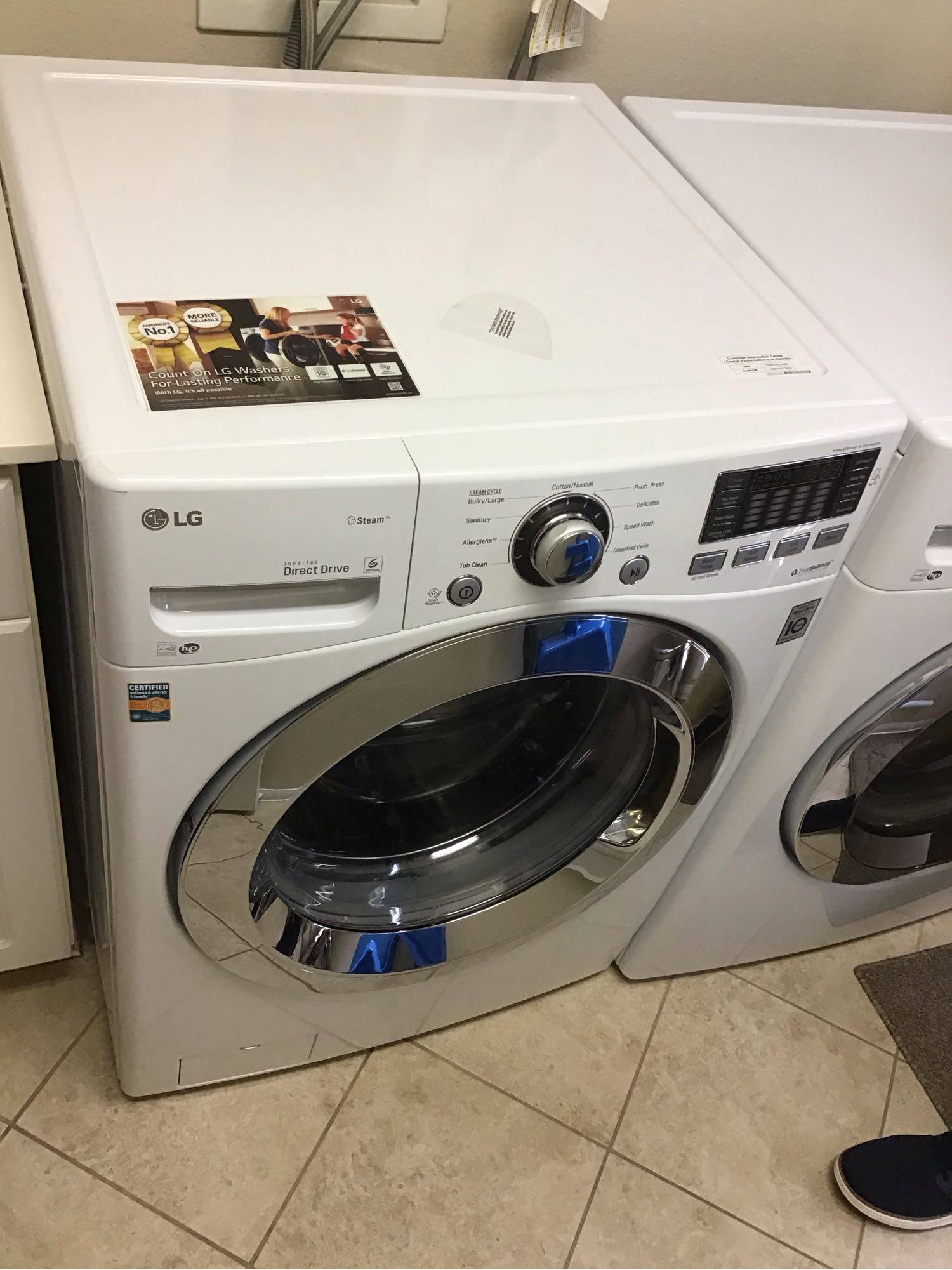
When a washing machine powers on but stops reacting right after you select a cycle, the issue usually sits deeper than a simple glitch. In most cases, the appliance is not moving past the command stage because the control system cannot properly process or transmit instructions to internal components. This can stem from electronic faults, damaged wiring, or wear inside the control panel itself.
Understanding where the breakdown happens helps narrow the problem and avoid unnecessary part replacements.
1. Control Panel Malfunction
The control panel is the main interface between the user and the machine. When you press a program, it sends signals to the main control board. If the panel is failing, those signals may never leave the interface.
Common signs include:
- Buttons that respond inconsistently or not at all
- Display freezing after program selection
- Random resets when choosing cycles
Moisture, detergent residue, and long-term wear are frequent causes. Even small humidity leaks can interfere with internal contacts over time.
2. Main Control Board Failure
If the control panel is the “input,” the control board is the “brain.” It interprets commands and activates components like the motor, water inlet valve, and drain pump.
When the board starts failing, the machine may:
- Accept the program but do nothing afterward
- Freeze before the wash cycle starts
- Lose communication with other components
Electrical surges and voltage fluctuations are common reasons for damage. In some cases, components on the board burn out gradually, making the issue appear intermittent at first.
3. Wiring or Connection Issues
A washing machine depends on a network of internal cables. If even one connection is loose or oxidized, the system may fail to complete the cycle initiation.
This often happens after:
- Vibration from long-term use
- Minor transport damage or relocation
- Moisture exposure inside the casing
Loose wiring can mimic control board failure, which is why inspection is important before replacing expensive parts.
4. Door Lock Interference
Modern machines will not start a cycle unless the door lock system confirms that the door is fully secured. If the lock sensor fails, the machine may appear unresponsive after program selection.
Typical symptoms include:
- Clicking sound without cycle start
- No water intake after selection
- Program reset after a few seconds
Even if the door appears closed, the sensor may not register it correctly.
5. Power Supply Instability
In some situations, the issue is not inside the machine but in the power source. Low voltage or unstable supply can prevent the control system from activating.
This leads to:
- Delayed response after selecting a program
- Sudden stopping before cycle initiation
- Random unresponsiveness
Using a dedicated outlet without extension cords can eliminate this variable.
6. When Diagnosis Becomes Necessary
Electronic issues inside washing machines are not always visible from the outside. A technician typically runs diagnostic checks on the control board, panel, and wiring system to isolate the fault. Attempting to replace parts without testing often leads to unnecessary costs and unresolved issues.
Early inspection helps prevent further damage, especially when electrical components begin to degrade.
When a washing machine stops responding after program selection, the cause is usually linked to electronics or communication failure between key systems. Control panels, main boards, wiring, and door sensors all play a role in starting the cycle. Identifying the exact point of failure requires technical evaluation rather than guesswork.
For reliable diagnosis and repair, it is best to contact specialists who work directly with appliance electronics and control systems.
For professional assistance, contact HOME APPLIANCE SERVICE CENTER for inspection and repair service.
Contact us