619-928-5000
  Request Service
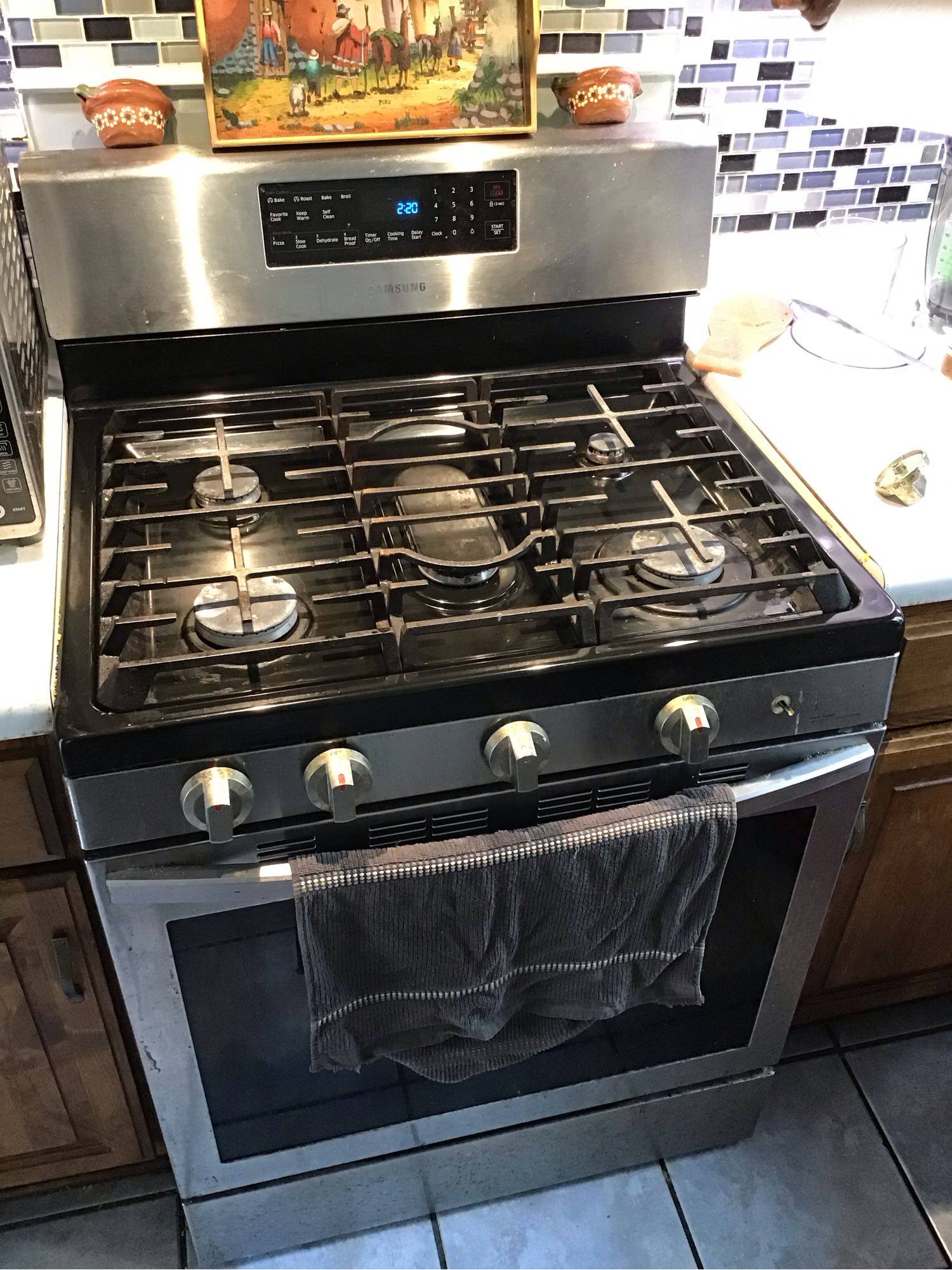
When a gas stove burner lights but goes out immediately after releasing the ignition knob, the issue usually points to a failure in the safety or fuel control system. Two components are most often responsible: the thermocouple and the gas valve assembly. Both are designed to regulate safety and fuel flow, and when either fails, the flame cannot stay stable.
Understanding how these parts work helps identify why the burner behaves this way and what kind of repair is needed.
How the ignition system is supposed to work
A gas burner depends on a steady interaction between gas flow, ignition, and flame detection. When you press and turn the knob, gas flows to the burner and the igniter creates a spark or flame. At the same time, the thermocouple detects heat from the flame and sends a small electrical signal to keep the gas valve open.
If everything functions correctly, the flame stays on after the knob is released. If not, the gas supply shuts off as a safety response.
Thermocouple failure: the most common cause
The thermocouple is a small metal rod positioned near the burner flame. Its job is simple but critical: it confirms that a flame is present. If it doesn’t detect heat, it signals the system to shut off gas flow to prevent leaks.
Several issues can prevent proper function:
- The thermocouple is misaligned and not directly touching the flame
- Carbon buildup or grease is blocking heat detection
- The component has worn out due to long-term use
- Loose wiring or poor connection to the gas control valve
When the thermocouple fails, the burner may light briefly but extinguish as soon as the knob is released. In many cases, cleaning or repositioning helps, but worn parts require replacement.
Gas valve issues and internal blockages
The gas valve controls how much fuel reaches the burner. Even if ignition works and the thermocouple is functional, a faulty valve can interrupt the flow.
Common problems include:
- Internal wear that prevents the valve from staying open
- Debris or grease buildup affecting movement
- Electrical failure in safety-controlled valve systems
- Weak signal from the thermocouple not holding the valve open
A failing gas valve often shows inconsistent behavior. The burner may stay lit sometimes but shut off unpredictably at other times.
Ignition system or burner head contamination
Not all cases are related to thermocouples or valves. Dirty burner heads or clogged ports can disrupt flame stability. If gas flow is uneven, the flame may not fully envelop the thermocouple, causing it to shut off the supply.
Signs of this issue include:
- Weak or uneven flame
- Yellow or irregular burning instead of steady blue flame
- Burner struggling to maintain consistent heat
Regular cleaning can resolve minor buildup issues, but persistent problems often indicate deeper mechanical faults.
Electrical and control system faults
Modern gas stoves may include electronic ignition systems and safety sensors. If wiring becomes loose or control modules malfunction, the stove may misinterpret signals from the thermocouple or fail to maintain gas flow.
In these cases, the problem is not visible externally and requires diagnostic tools to identify the fault.
Why you should not ignore the issue
A burner that won’t stay lit is not just an inconvenience. It can indicate:
- Potential gas leakage risks if components fail unpredictably
- Incomplete combustion, which reduces efficiency
- Increased wear on other stove components due to repeated ignition attempts
Attempting repeated relighting without resolving the cause can worsen the fault or create safety hazards.
What can be checked at home
Some basic steps can help narrow down the issue:
- Clean burner caps and ports from grease or residue
- Check if the flame properly reaches the thermocouple
- Ensure the knob is held long enough during ignition
- Inspect visible connections for looseness or corrosion
If these steps do not restore stable operation, internal components are likely involved.
When professional repair is necessary
Thermocouple replacement, gas valve repair, or electrical diagnostics require specialized tools and safety knowledge. Gas appliances should not be disassembled without proper training, as incorrect handling can lead to leaks or further damage.
A qualified technician can test the thermocouple response, measure gas valve performance, and identify hidden electrical faults quickly and safely.
A burner that lights but won’t stay on is usually a sign of thermocouple failure, gas valve malfunction, or airflow disruption at the burner head. While minor cleaning may help in some cases, persistent issues point to component failure that requires professional attention.
For safe and reliable repair, contact HOME APPLIANCE SERVICE CENTER to diagnose and fix the issue before it leads to further complications.
Contact us