619-928-5000
  Request Service
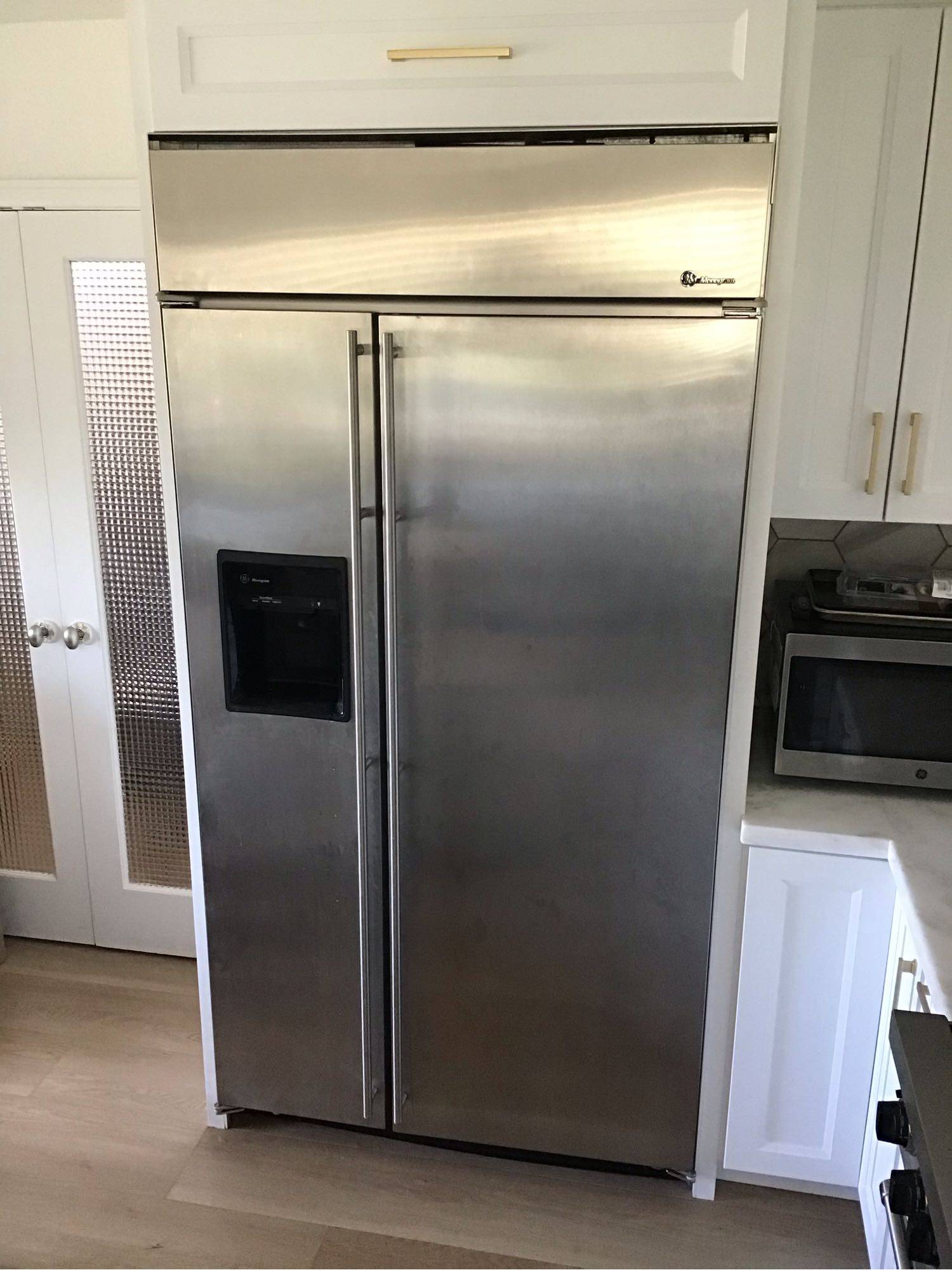
A refrigerator that never seems to stop running while food still feels less cold than normal usually points to a developing mechanical or airflow issue. Many homeowners assume the appliance is “working harder,” but constant operation combined with weak cooling is often a sign that one or more components are no longer functioning efficiently.
This problem should not be ignored. When a refrigerator runs continuously, it consumes more electricity, places extra strain on internal parts, and increases the risk of a complete system failure. In many cases, the issue begins gradually: milk does not feel as cold, vegetables spoil faster, ice cream softens slightly, or the refrigerator walls feel warmer than usual. Over time, the appliance may lose cooling almost entirely.
Several different causes can lead to this situation, but compressor problems and restricted airflow are among the most common.
Dirty or Blocked Condenser Coils
Condenser coils help release heat from the refrigeration system. When these coils become covered with dust, pet hair, or grease, the refrigerator cannot release heat efficiently. As a result, the compressor keeps running longer in an attempt to maintain the target temperature.
Dirty coils are especially common in homes with pets or in kitchens where the refrigerator has not been cleaned behind or underneath for a long time. Signs may include:
- Constant humming from the refrigerator
- Warm air near the back or bottom of the unit
- Higher electric bills
- Weak cooling in both refrigerator and freezer sections
Cleaning the coils may improve performance, but if the appliance has already been overheating for an extended period, additional components may also be affected.
Faulty Evaporator Fan Motor
Cold air must circulate properly throughout the refrigerator compartment. The evaporator fan motor is responsible for moving that air from the freezer into the fresh food section.
If the fan becomes weak, noisy, or stops spinning correctly, cooling becomes uneven. The compressor may continue running constantly because the thermostat never detects the correct temperature.
Typical symptoms include:
- Freezer colder than refrigerator section
- Weak airflow from vents
- Strange buzzing or clicking sounds
- Frost buildup near vents or panels
A damaged fan motor should be replaced promptly to prevent strain on the cooling system.
Blocked Air Vents
Modern refrigerators depend on unrestricted airflow between compartments. If vents become blocked by food containers, ice buildup, or internal frost, cold air cannot circulate correctly.
This can create confusing symptoms where some areas remain cold while others become warm. The refrigerator may continue running non-stop because internal sensors detect inconsistent temperatures.
Homeowners sometimes overload shelves without realizing they are blocking critical vents. In other cases, frost buildup caused by a defrost issue restricts airflow behind interior panels.
Compressor Problems
The compressor is the heart of the refrigeration system. It circulates refrigerant and maintains cooling pressure throughout the appliance. When a compressor begins failing, the refrigerator may run continuously but produce weaker cooling.
Compressor-related problems often develop slowly. At first, the appliance still cools somewhat, but temperatures become unstable. Eventually, the refrigerator struggles to maintain safe food storage conditions.
Possible compressor warning signs include:
- Constant running with little cooling improvement
- Louder humming than usual
- Clicking sounds during startup
- Excessive heat around the compressor area
- Food spoiling faster
In some cases, the compressor itself is failing mechanically. In others, the start relay or capacitor may prevent proper compressor operation.
Because compressor systems involve refrigerant pressure and electrical components, diagnosis should always be performed by a qualified technician.
Defrost System Malfunctions
Automatic defrost systems prevent ice from accumulating on evaporator coils. When the defrost heater, thermostat, or control board fails, thick frost can form around the coils and block airflow completely.
The refrigerator may still run continuously, but cooling performance drops because air cannot move across the frozen coils properly.
Common signs include:
- Frost on interior freezer walls
- Refrigerator warm while freezer partially works
- Water leaking after temporary thawing
- Fan noises changing or becoming muffled
Defrost system failures are often misdiagnosed because the refrigerator may temporarily work again after being unplugged and thawed manually. However, the problem usually returns within days.
Door Seal Problems
Damaged door gaskets allow warm air to enter constantly. Even a small gap in the seal forces the refrigerator to work harder to maintain temperature.
A refrigerator with leaking door seals may show:
- Moisture around door edges
- Condensation inside compartments
- Continuous compressor operation
- Uneven cooling
Over time, this extra workload can contribute to compressor wear and increased energy consumption.
Why Immediate Service Matters
Running a refrigerator continuously places stress on nearly every cooling component. Delaying repairs can turn a smaller airflow issue into a major compressor failure.
Ignoring the problem may lead to:
- Complete loss of cooling
- Food spoilage
- Higher utility costs
- Compressor burnout
- Expensive emergency repairs
Professional diagnosis helps identify the exact cause before additional damage occurs. Many airflow and fan-related issues can be repaired early at a much lower cost than replacing a failed compressor.
Professional Refrigerator Repair
Modern refrigerators contain advanced control systems, sealed refrigerant components, temperature sensors, and multiple airflow mechanisms. Accurate diagnosis requires proper tools and technical experience.
A trained technician can inspect:
- Compressor performance
- Refrigerant pressure
- Condenser condition
- Evaporator airflow
- Fan motor operation
- Defrost system components
- Electrical relays and capacitors
Fast professional service helps restore cooling efficiency and prevents long-term appliance damage.
If your refrigerator runs constantly but cooling feels weaker than usual, do not wait for a total breakdown. Contact HOME APPLIANCE SERVICE CENTER for professional refrigerator diagnosis and repair. Experienced technicians can identify compressor, airflow, or cooling system problems quickly and help restore reliable performance before the issue becomes more serious.
Contact us