619-928-5000
  Request Service
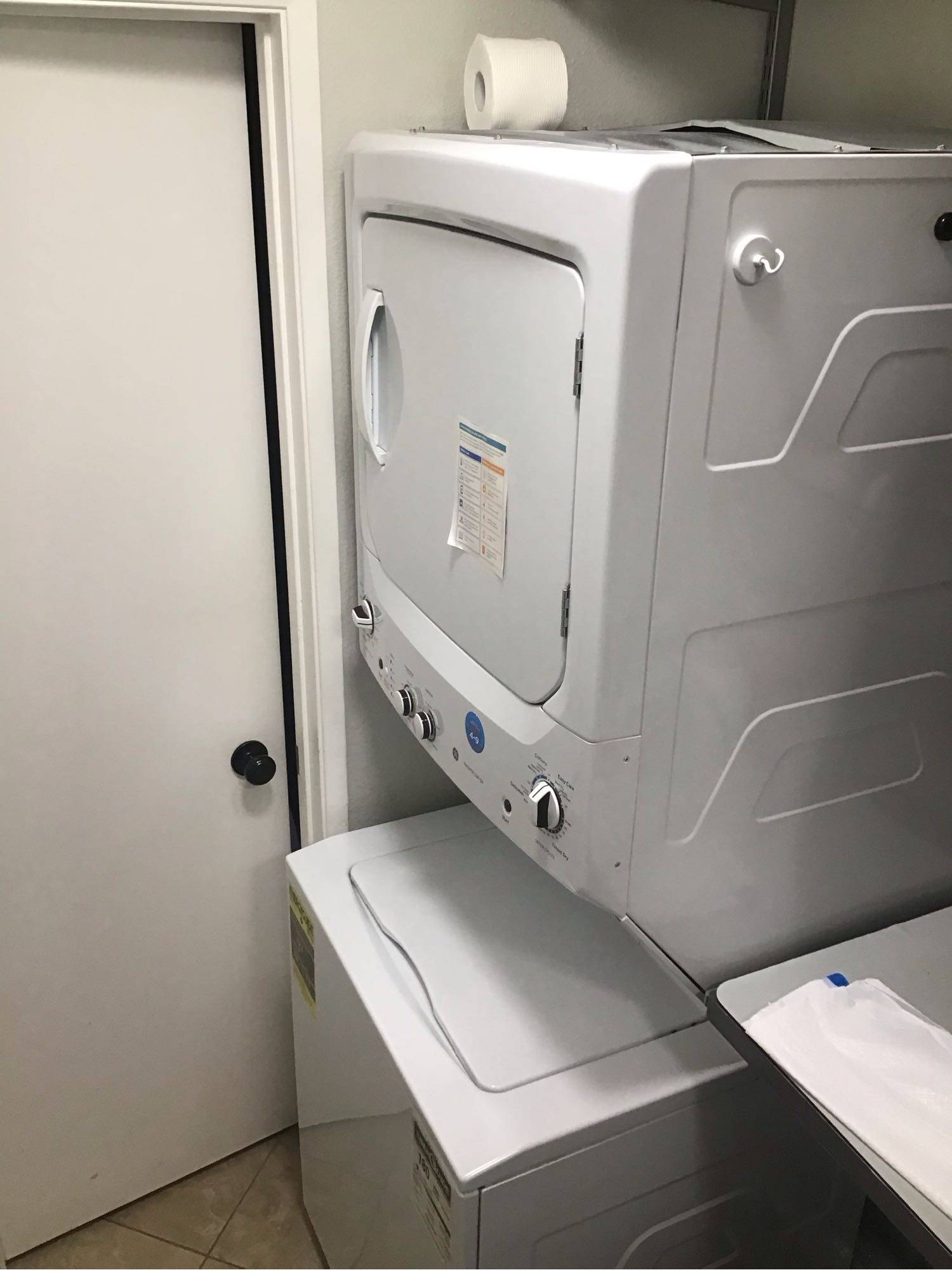
Powder detergent is designed to dissolve fully during the wash cycle, but many homeowners notice white residue inside the drum, streaks on clothing, or clumps of detergent left in the dispenser. When this happens repeatedly, the issue usually points to water temperature problems, weak water flow, or developing component failures inside the washing machine.
Ignoring the problem can lead to poor washing performance, fabric damage, unpleasant odors, and detergent buildup inside internal parts of the appliance. Understanding what causes powder detergent to remain undissolved can help prevent more serious repair issues later.
Water Temperature May Be Too Low
Powder detergent dissolves best in warm or hot water. If the washing machine is filling with water that is colder than expected, detergent particles may not break down completely during the cycle.
Several problems can reduce water temperature:
- A malfunctioning water heater
- Incorrect wash cycle settings
- A faulty temperature sensor
- A defective heating element in the washer
- Problems with the hot water inlet valve
Many modern energy-efficient washers default to cooler water temperatures to reduce energy consumption. While this works well with liquid detergents, powder formulas often struggle to dissolve in cold water, especially during shorter cycles.
If clothing consistently comes out with white marks or powder residue, testing the washer on a warmer cycle can help determine whether temperature is contributing to the issue.
Weak Water Flow Can Prevent Proper Mixing
The washing machine needs adequate water pressure to flush detergent from the dispenser and distribute it evenly throughout the drum. Restricted water flow can leave detergent trapped inside the dispenser drawer or partially dissolved inside the tub.
Common causes of poor water flow include:
- Clogged inlet filters
- Kinked water supply hoses
- Mineral buildup inside valves
- Partially closed shutoff valves
- Failing water inlet valves
Low water flow may also cause the machine to fill more slowly than usual. Some users notice longer cycle times, unusual pauses during filling, or weak streams entering the detergent compartment.
If water cannot circulate correctly, detergent concentrates in one area instead of dissolving evenly throughout the load.
Overloading the Washer Creates Detergent Buildup
Even when the washer itself is functioning properly, overloaded drums can prevent detergent from dissolving fully. Large loads restrict water circulation and reduce the movement needed to break down powder particles.
Heavy fabrics such as towels, blankets, and jeans absorb significant amounts of water. If too many items are packed into the drum, detergent may remain trapped between layers of fabric.
Overloading also places additional strain on suspension systems, bearings, and drive components. Repeated heavy loads can gradually lead to vibration issues and premature wear.
For best performance, clothing should move freely inside the drum during washing.
Using Too Much Powder Detergent
Many detergent manufacturers recommend smaller amounts than users actually pour into the machine. Excess powder creates concentrated buildup that the washer cannot fully rinse away.
This issue becomes more noticeable in:
- High-efficiency washers
- Cold wash cycles
- Short wash programs
- Homes with hard water
Undissolved detergent can accumulate inside hoses, pumps, and dispensers over time. Eventually, buildup may contribute to drainage restrictions and unpleasant odors inside the appliance.
Measuring detergent carefully according to load size and water hardness helps reduce residue problems.
Hard Water Affects Detergent Performance
Hard water contains high levels of minerals such as calcium and magnesium. These minerals react with detergent and reduce its ability to dissolve efficiently.
Signs of hard water include:
- White residue on dark clothing
- Soap scum inside the drum
- Stiff or rough fabrics after washing
- Mineral deposits around water connections
In areas with hard water, powder detergents often require higher temperatures for proper dissolution. Some homeowners switch to detergents specifically formulated for mineral-heavy water conditions.
Installing a water softener may also improve washing performance and reduce long-term mineral buildup inside the appliance.
A Blocked Dispenser Drawer May Be the Cause
Detergent dispensers can gradually become clogged with hardened soap residue. When this happens, incoming water cannot flush detergent into the drum correctly.
A blocked dispenser may cause:
- Clumps of wet powder
- Sticky residue inside compartments
- Water pooling in the dispenser tray
- Uneven detergent distribution
Routine cleaning helps prevent buildup from becoming severe. However, if internal channels or spray nozzles become heavily restricted, professional disassembly may be necessary.
Internal Mechanical Problems Can Contribute
Sometimes the issue extends beyond detergent or water conditions. Mechanical failures inside the washing machine can interfere with normal washing performance.
Possible component failures include:
- Faulty circulation pumps
- Defective control boards
- Malfunctioning water level sensors
- Heating system failures
- Damaged inlet valves
Modern washers rely on multiple sensors and electronic controls to regulate temperature, fill levels, and detergent distribution. When one component stops functioning properly, washing performance often declines gradually before the machine fails completely.
Early repair can prevent additional damage and reduce the risk of larger repair costs later.
Preventing Future Detergent Residue Problems
Several simple maintenance habits can improve detergent dissolution and overall washer performance:
- Use the correct detergent amount
- Avoid overloading the drum
- Clean the dispenser regularly
- Run occasional hot maintenance cycles
- Inspect hoses for restrictions
- Check household water pressure
- Use appropriate water temperature settings
Routine maintenance helps extend appliance lifespan while improving cleaning efficiency.
When Professional Service Is Needed
If detergent residue continues appearing despite proper detergent use and normal loading practices, the washer may require professional inspection. Persistent problems often indicate hidden flow restrictions, failing valves, sensor malfunctions, or heating issues that are difficult to diagnose without specialized tools.
A trained technician can identify the exact source of the problem before more expensive components become damaged.
HOME APPLIANCE SERVICE CENTER provides professional washing machine diagnostics and repair services for water flow problems, inlet valve failures, heating issues, dispenser malfunctions, and other washer performance concerns. Fast service and accurate repairs help restore proper washing performance and prevent further appliance damage.
Contact HOME APPLIANCE SERVICE CENTER today to schedule professional washer repair service and keep your appliance operating efficiently.
Contact us