619-928-5000
  Request Service
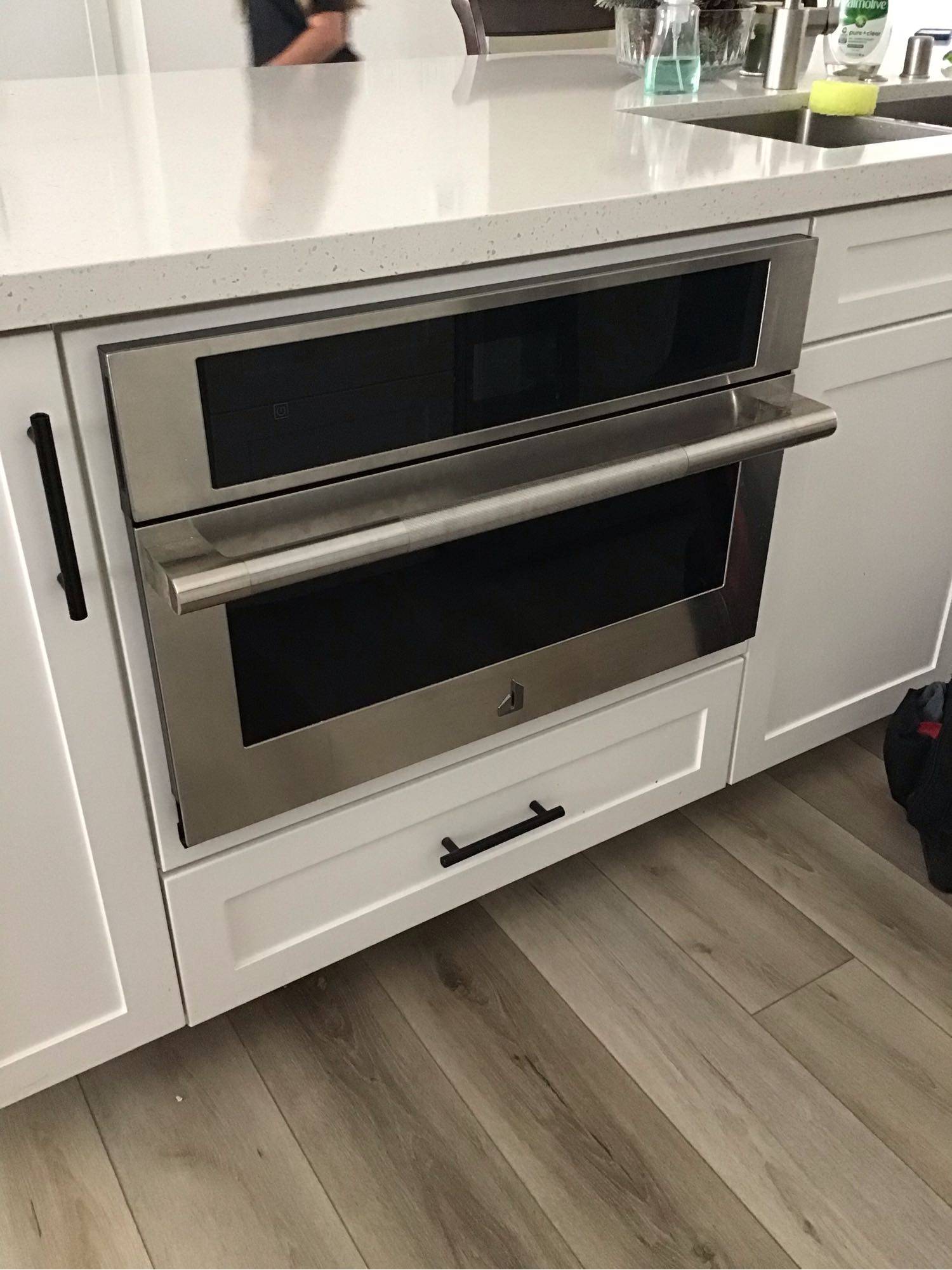
When an oven starts taking noticeably longer to reach the set temperature, it usually signals that one or more core components are no longer working within normal parameters. Preheating time is a useful performance indicator: when it changes, the issue is rarely cosmetic. It often reflects wear in heating components, inaccurate temperature readings, or disrupted power delivery.
Heating element wear and reduced output
In electric ovens, the heating element is responsible for generating the heat needed during preheating. Over time, this element can degrade. Small cracks, partial burns, or uneven resistance inside the coil reduce its efficiency. The oven may still heat, but it struggles to reach target temperature at the expected speed.
A failing element sometimes shows visible signs: dark spots, blistering, or sections that do not glow evenly when active. Even if it appears functional, internal resistance changes can slow performance long before complete failure occurs.
Temperature sensor inaccuracies
Modern ovens rely on a temperature sensor (thermistor) to communicate internal heat levels to the control board. If this sensor drifts out of calibration, it may report incorrect temperatures. The oven then compensates incorrectly, extending the preheat cycle or cycling the heat in an unstable pattern.
A sensor that reads lower than actual temperature forces the system to keep heating longer than necessary. Conversely, an over-reading sensor can cause premature shutoff, making the preheat phase inconsistent and inefficient.
Thermostat or control calibration issues
In some models, especially older units, a mechanical thermostat manages temperature regulation. Wear in its internal contacts or calibration drift can result in delayed heating response. Even in digital ovens, control board calibration errors or software faults can disrupt how heating cycles are timed and maintained.
These issues are less visible but often present as gradual performance decline rather than sudden failure.
Heat loss from door seal problems
A worn or damaged door gasket allows heat to escape during preheating. Even a small gap forces the oven to work harder to maintain rising temperature levels. This does not always prevent heating, but it extends the time required to reach the target.
A simple check involves closing the door on a strip of paper and pulling it gently. If it slides out easily in multiple areas, the seal may no longer provide proper insulation.
Electrical supply instability
Ovens require stable voltage to operate heating elements at full capacity. If the power supply fluctuates or the outlet delivers reduced voltage, the heating element cannot operate at full power. This leads to slower preheating and inconsistent temperature rise.
Extension cords, overloaded circuits, or aging household wiring can all contribute to this issue.
Control board performance issues
The electronic control board manages timing, heating cycles, and sensor interpretation. Faults in relays or internal circuits can reduce heating efficiency. In some cases, relays partially fail, sending intermittent power to heating elements rather than a steady current.
This type of malfunction often appears as unpredictable preheat times that vary from one use to another.
How to identify the source of the problem
Basic observation can help narrow down potential causes:
- If the oven heats unevenly or slowly but still reaches temperature eventually, the heating element is a primary suspect.
- If temperature seems unstable or inconsistent, the sensor is more likely involved.
- If heat escapes or the door feels warm externally, the seal should be checked.
- If performance varies depending on other appliances running, power supply issues may be contributing.
More precise diagnosis requires testing tools to measure resistance, voltage, and sensor response.
Why delaying inspection can worsen performance
A slowing oven rarely stabilizes on its own. Electrical components under strain tend to degrade further over time. A weakened heating element may eventually fail completely, while a drifting sensor can cause repeated overheating or underheating cycles that affect cooking results and increase energy consumption.
Ignoring early signs also places additional stress on the control board, which may compensate for faulty readings and accelerate wear across the system.
Professional inspection ensures accurate resolution
While some external checks are possible at home, internal testing requires technical expertise. Heating elements, sensors, and control boards interact closely, and a misdiagnosis can lead to unnecessary part replacement or continued inefficiency.
A structured diagnostic process helps identify whether the issue is mechanical, electrical, or electronic in nature.
Longer preheating times are a clear signal that the oven is no longer operating at optimal efficiency. Heating elements, temperature sensors, door seals, and control systems all play a role in maintaining stable performance. Early evaluation helps prevent further deterioration and restores consistent cooking results.
For reliable diagnosis and repair, professional servicing ensures the issue is addressed at its source rather than through guesswork.
Order services from HOME APPLIANCE SERVICE CENTER to restore proper oven performance and reduce preheating delays.
Contact us