619-928-5000
  Request Service
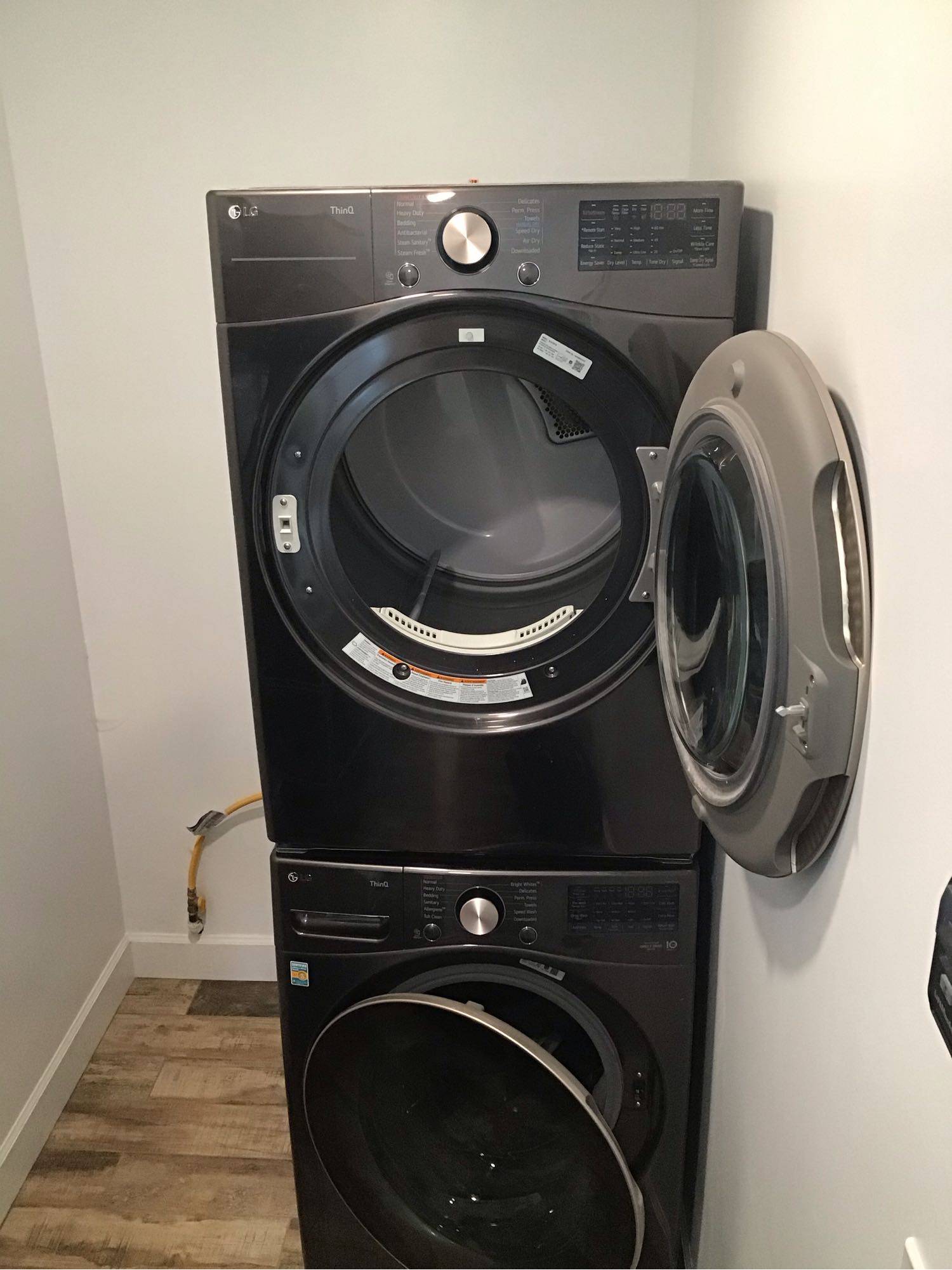
A washing machine is a workhorse of the modern household, but when it begins to emit a pungent, acrid smell of burning—specifically during the high-speed spin cycle—it is a signal that requires immediate attention. Ignoring this scent is not merely a matter of appliance longevity; it is a significant fire hazard. The spin cycle is the most demanding phase of the laundry process, requiring the motor to reach peak RPMs and the mechanical components to sustain intense friction. When a burning smell permeates the laundry room, it typically indicates that a component is failing under this mechanical stress.
Understanding which parts are likely overheating can help you decide whether the issue is a simple maintenance task or a complex repair requiring professional intervention.
1. The Drive Belt
The drive belt is one of the most common culprits behind a burning smell. This rubber belt connects the motor pulley to the drum. During the spin cycle, the belt must grip the pulleys firmly to rotate the heavy, water-laden drum. If the belt is worn, stretched, or slipping, the resulting friction generates intense heat, melting the rubber and producing a distinct “burnt rubber” odor. Conversely, if the drum is overloaded or the bearings are seized, the motor may turn while the belt remains stationary, causing the motor pulley to friction-burn a hole through the belt.
2. The Drive Motor
The motor is the heart of the spin cycle. If the motor’s internal windings overheat, they can produce a sharp, electrical burning smell. This often happens if the motor is forced to work too hard due to constant overloading or if the motor’s start capacitor has failed. Furthermore, many motors use carbon brushes to conduct electricity to the spinning armature. Over time, these brushes wear down, causing electrical arcing and sparking, which generates heat and a characteristic ozone-like burning scent. If the motor smells like burning and is hot to the touch, it likely requires a professional diagnostic to determine if it can be repaired or needs replacement.
3. The Drain Pump
While the drain pump operates throughout the cycle, it works overtime during the spin phase to evacuate the water being forced out of the clothes. If a small object—like a coin, a bra wire, or a button—gets past the filter and jams the pump impeller, the pump motor will continue to draw electricity without being able to turn. This “locked rotor” state causes the pump motor to overheat rapidly, smelling of burnt plastic or electrical insulation.
4. Drum Bearings and Tub Seal
The drum bearings allow the inner tub to spin smoothly at high speeds. When the tub seal fails, water leaks into the bearings, washing away the protective grease and causing metal-on-metal friction. During the spin cycle, this friction creates immense heat. If you notice a loud roaring sound accompanied by a burning smell, the bearings are likely disintegrating. In extreme cases, the friction can become so intense that it begins to melt the plastic outer tub.
5. The Door Latch and Wax Motor
In many front-loading machines, the door is locked via an assembly that uses a small “wax motor” or a solenoid. If there is a short circuit in the door lock assembly, or if the high-speed vibrations of the spin cycle cause a loose connection to arc, the plastic housing of the wire harness can begin to melt. This results in a chemical, plastic burning smell localized toward the front of the machine.
6. Main Control Board and Wire Harness
The spin cycle requires the highest current draw of the entire wash program. If there is a “cold” solder joint on the main control board or a loose terminal in the wiring harness, the resistance at that point will generate heat. Over time, this heat can char the circuit board or melt the insulation on the wires. This is a particularly dangerous failure point as it can lead to a sustained electrical fire.
Preventive Measures
To avoid these issues, ensure you are not overloading the machine, as excess weight puts undue strain on the motor and belt. Regularly check the drain filter for debris and ensure the machine is level to prevent uneven bearing wear. However, once a burning smell is detected, the safest course of action is to disconnect the power immediately.
Professional Assistance
Diagnostic work on high-voltage appliances carries inherent risks. If your appliance is showing signs of thermal distress, it is time to consult the experts.
Contact HOME APPLIANCE SERVICE CENTER today. Our certified technicians specialize in rapid diagnostics and high-quality repairs for all major brands. We ensure your machine is not only functional but safe for your home and family. Do not risk a fire—call the professionals to restore your appliance to peak performance.
Contact us