619-928-5000
  Request Service
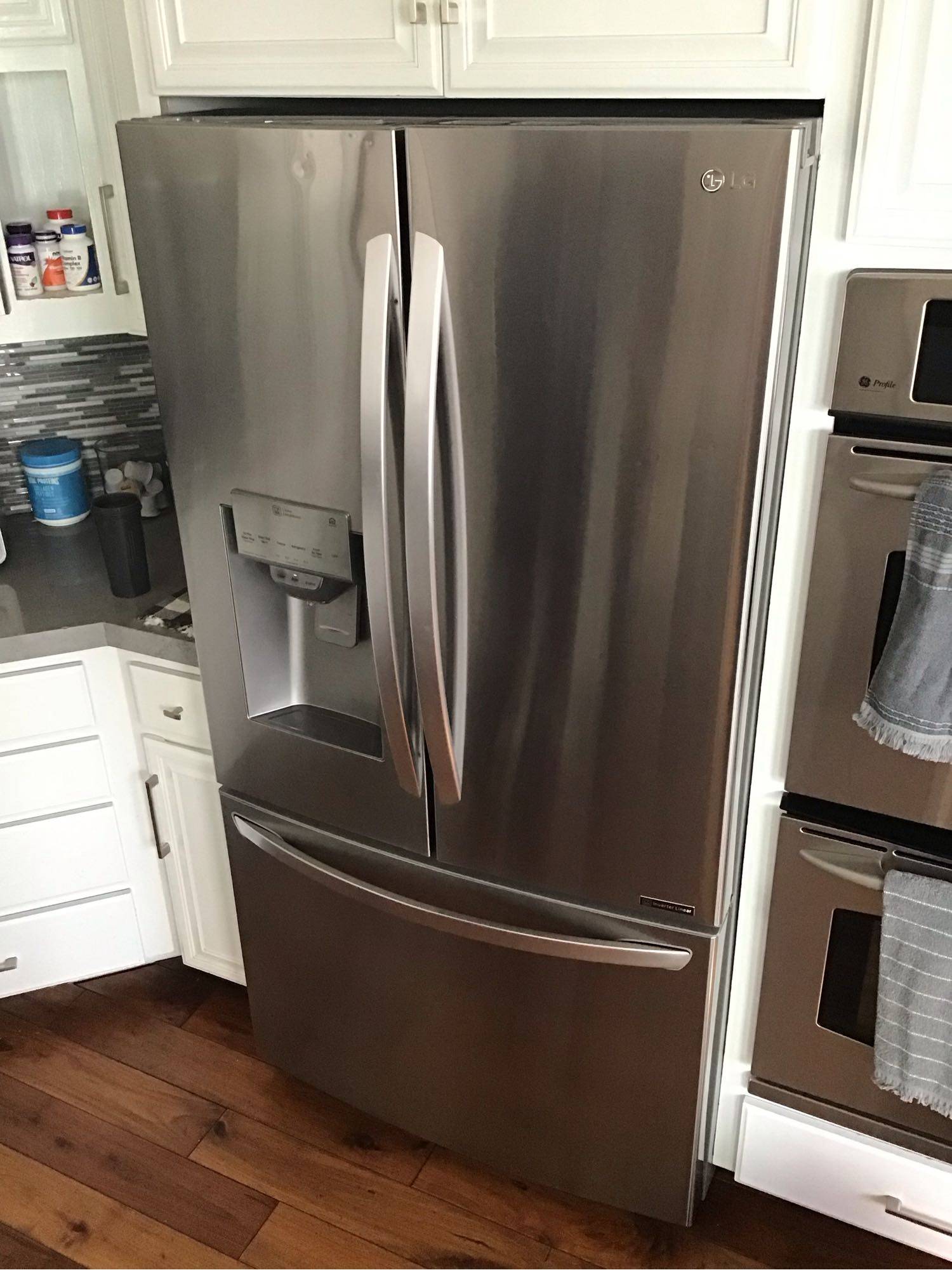
It is a common moment of concern: you brush against the side of your refrigerator and notice the exterior panels feel unusually hot to the touch. While modern refrigerators are designed to dissipate heat through their outer shells, there is a fine line between “warm to the touch” and “concerningly hot.” Understanding why this happens requires a look into the thermodynamics of your kitchen’s most hardworking appliance.
The Mechanics of Heat Exchange
To understand why the outside gets hot, we must first understand how the inside gets cold. Refrigerators do not actually “create” cold; they remove heat. This is achieved through a vapor-compression cycle involving four main components: the compressor, the condenser coils, the expansion valve, and the evaporator coils.
In many modern designs, particularly “skin condenser” models, the condenser coils are embedded within the left and right side panels of the unit. As the refrigerant gas is compressed, it becomes very hot. It then travels through these side-panel coils to release that heat into the surrounding room air. Consequently, the sides of the appliance act as a radiator. Under normal conditions, these panels should feel warm, especially during the initial cooling phase or after the door has been held open. However, when the heat becomes excessive, it usually indicates that the internal system is struggling.
Common Culprits of Excessive Heat
- Dirty Condenser Coils
If your refrigerator has external coils (often located at the back or bottom) rather than skin condensers, dust and pet hair are your primary enemies. When coils are coated in debris, they cannot effectively shed heat. This causes the compressor to work overtime, generating significantly more heat than the cabinet can comfortably dissipate. This “thermal lag” results in the exterior walls feeling scorching.
- Overloaded Internal Compartments
Airflow is the lifeblood of a cooling system. If the interior is packed so tightly that air cannot circulate to the evaporator coils, the sensors will signal the compressor to keep running. Continuous operation without rest leads to a buildup of heat in the side panels. A refrigerator works most efficiently when it is about 70% to 80% full—enough thermal mass to maintain temperature, but enough space for air to move.
- Damaged Door Seals (Gaskets)
A compromised gasket allows cold air to escape and warm, humid kitchen air to enter. This creates a “forever cycle” where the compressor never reaches its shut-off point. Because the compressor is the primary heat generator in the system, its constant operation will keep the side panels at a high temperature indefinitely, eventually leading to mechanical burnout.
- Ambient Temperature and Clearance
The environment surrounding the fridge matters. If the unit is “boxed in” by cabinetry without the manufacturer-recommended 1-to-2-inch clearance on the sides and back, the heat being dissipated from the panels has nowhere to go. It reflects back onto the appliance, creating a feedback loop of rising temperatures.
When Heat Signals a System Failure
If the sides are hot and you notice any of the following, your internal cooling system may be facing a critical failure:
- The compressor is noisy or clicking: This suggests the “heart” of the fridge is struggling to pump refrigerant against high pressure.
- Food is spoiling despite cold walls: This can indicate a refrigerant leak or a faulty expansion valve.
- Rapid cycling: If the unit turns on and off every few minutes, the internal thermostat or start relay may be failing.
Prevention and Maintenance
Homeowners can mitigate these issues by performing a few simple checks. Vacuuming the base grille and coils every six months, ensuring the door seals are clean and supple, and maintaining proper clearance from walls can extend the life of the appliance by years. However, once the heat reaches a level where it is uncomfortable to hold your hand against the panel, the issue has likely moved beyond simple maintenance and into the realm of mechanical repair.
Professional Intervention
A refrigerator is a pressurized system containing specialized chemicals and high-voltage electrical components. Attempting to DIY a cooling system repair can lead to permanent damage to the sealed system or personal injury. When your appliance begins to show signs of thermal distress, the most cost-effective solution is a professional diagnostic.
Restore Your Cool with HOME APPLIANCE SERVICE CENTER
Don’t let a hard-working fridge turn into a fire hazard or a source of spoiled food. If your appliance is running hot and losing its cool, it is time for an expert evaluation. Our certified technicians specialize in complex cooling system diagnostics, from compressor replacements to refrigerant recharges.
Contact HOME APPLIANCE SERVICE CENTER today to schedule your diagnostic appointment and ensure your kitchen stays safe and efficient.
Contact us