619-928-5000
  Request Service
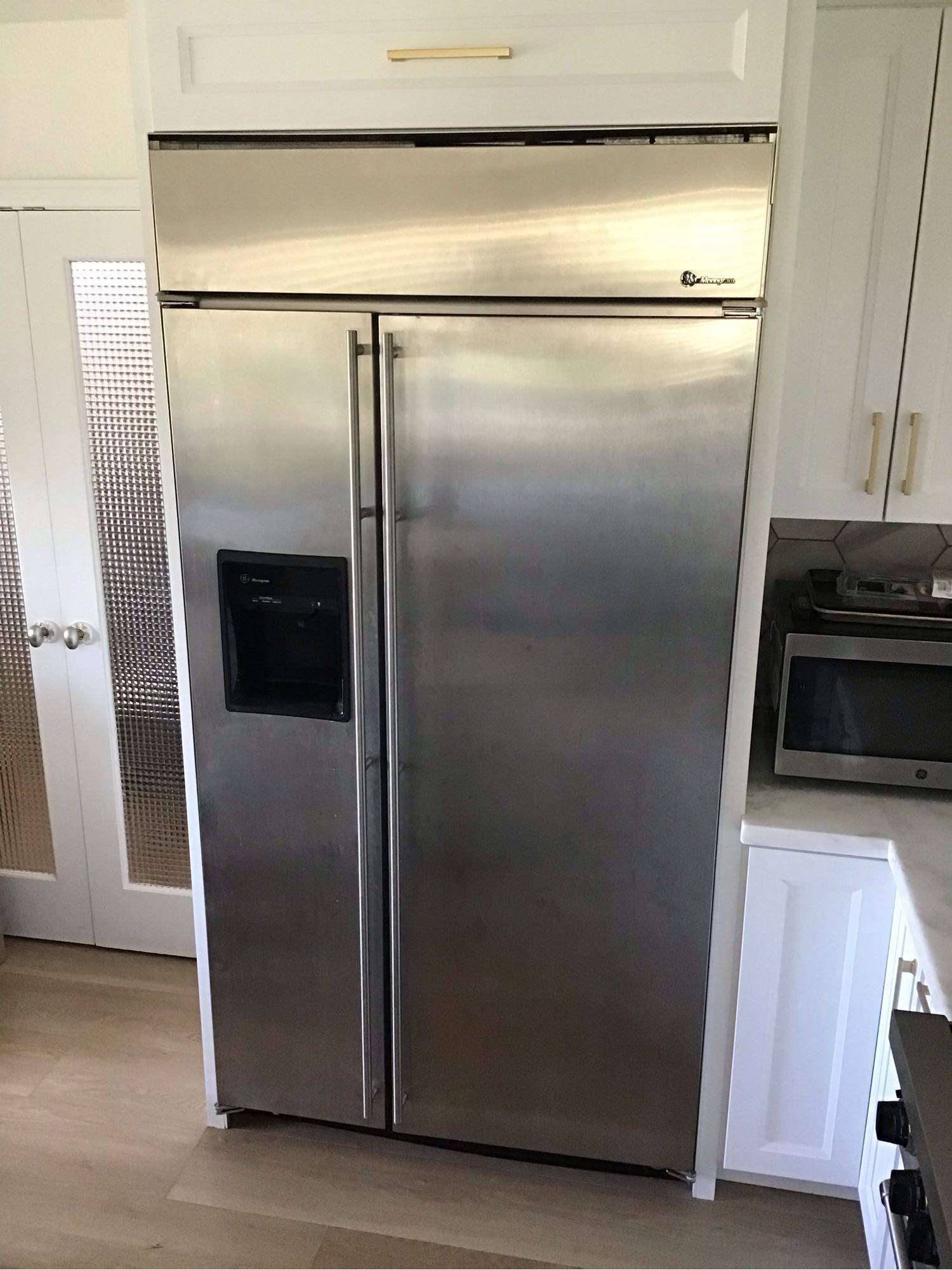
A refrigerator is the heart of the modern kitchen, a silent guardian of food safety that operates on a rhythmic cycle. Under normal conditions, a refrigerator compressor runs until the internal cabinet reaches the set temperature and then shuts off. However, when you notice the unit kicking on and off every few minutes, you are likely dealing with a phenomenon known as short cycling.
Short cycling is more than just a nuisance or a source of strange background noise. It is an efficiency killer that puts immense mechanical stress on the compressor—the most expensive component of the appliance. Understanding the root causes of this issue can help you determine whether you need a simple DIY fix or a professional intervention.
The Mechanism of the Cooling Cycle
To understand why a fridge cycles too frequently, one must understand how it stays cool. The thermostat monitors the internal air temperature. When the temperature rises above the set point, it sends a signal to the compressor to begin circulating refrigerant. Once the sensors detect that the air has cooled sufficiently, the cycle ends.
Short cycling occurs when this communication or the cooling process itself is interrupted or artificially accelerated.
Common Causes of Short Cycling
1. Dirty Condenser Coils
The most frequent culprit behind short cycling is a buildup of dust, pet hair, and debris on the condenser coils. These coils are responsible for dissipating the heat removed from the inside of the refrigerator. If they are coated in grime, the heat cannot escape efficiently. This causes the compressor to overheat rapidly and shut down prematurely as a safety precaution. Once it cools down slightly, it attempts to start again, leading to a rapid on-off loop.
2. Faulty Thermostat or Temperature Sensors
The thermostat is the “brain” of the cooling cycle. If the thermostat is miscalibrated or the internal thermistor (the sensor that reads the temperature) is defective, it may send erratic signals to the control board. For instance, it might “think” the fridge has reached its target temperature mere seconds after the compressor starts, causing it to shut down. Conversely, it might detect a rapid rise in temperature that isn’t actually happening, forcing the unit back on.
3. Issues with the Start Relay
The start relay is a small device that provides the initial “kick” of energy needed to get the compressor running. If the relay is failing, it may struggle to maintain the connection. You might hear a clicking sound followed by the compressor starting and then immediately stopping. This cycle repeats as the relay tries and fails to keep the motor engaged.
4. Failing Compressor
While less common, the compressor itself may be reaching the end of its lifespan. Internal mechanical failures or electrical shorts within the motor windings can cause it to draw too much current. When this happens, the refrigerator’s overload protector will trip, shutting the compressor down to prevent a fire or total electrical failure. After a brief period, the protector resets, and the cycle repeats.
5. Poor Airflow and Gasket Integrity
Sometimes the problem isn’t electrical, but environmental. If the door gaskets (the rubber seals) are cracked or warped, cold air escapes constantly. While this usually causes the fridge to run non-stop, in some digital models, the rapid influx of warm air near the sensor can cause confusing readings that trigger frequent, short bursts of cooling.
The Consequences of Ignoring the Problem
If left unaddressed, short cycling will inevitably lead to a total cooling failure. The constant surging of electricity into the compressor generates excessive heat, which can fry the control board or seize the motor. Additionally, your electricity bill will likely spike, as the startup phase of a motor consumes significantly more energy than its steady-state operation.
When to Call the Professionals
While cleaning your coils is an excellent first step, most other causes of short cycling involve high-voltage components and refrigerant systems that require specialized tools and diagnostic expertise. Attempting to replace a control board or a compressor without the proper training can result in further damage to the appliance or personal injury.
If your refrigerator is behaving erratically, it is time to seek expert help to protect your investment and your groceries.
Professional Appliance Repair at Your Doorstep
Don’t let a malfunctioning refrigerator ruin your day or your food. At HOME APPLIANCE SERVICE CENTER, we specialize in diagnosing and repairing complex cooling issues. Our certified technicians have the experience to identify exactly why your unit is short cycling and provide a long-lasting solution. We offer prompt, reliable service to get your kitchen back in working order.
Contact HOME APPLIANCE SERVICE CENTER today to schedule your diagnostic appointment.
Contact us