619-928-5000
  Request Service
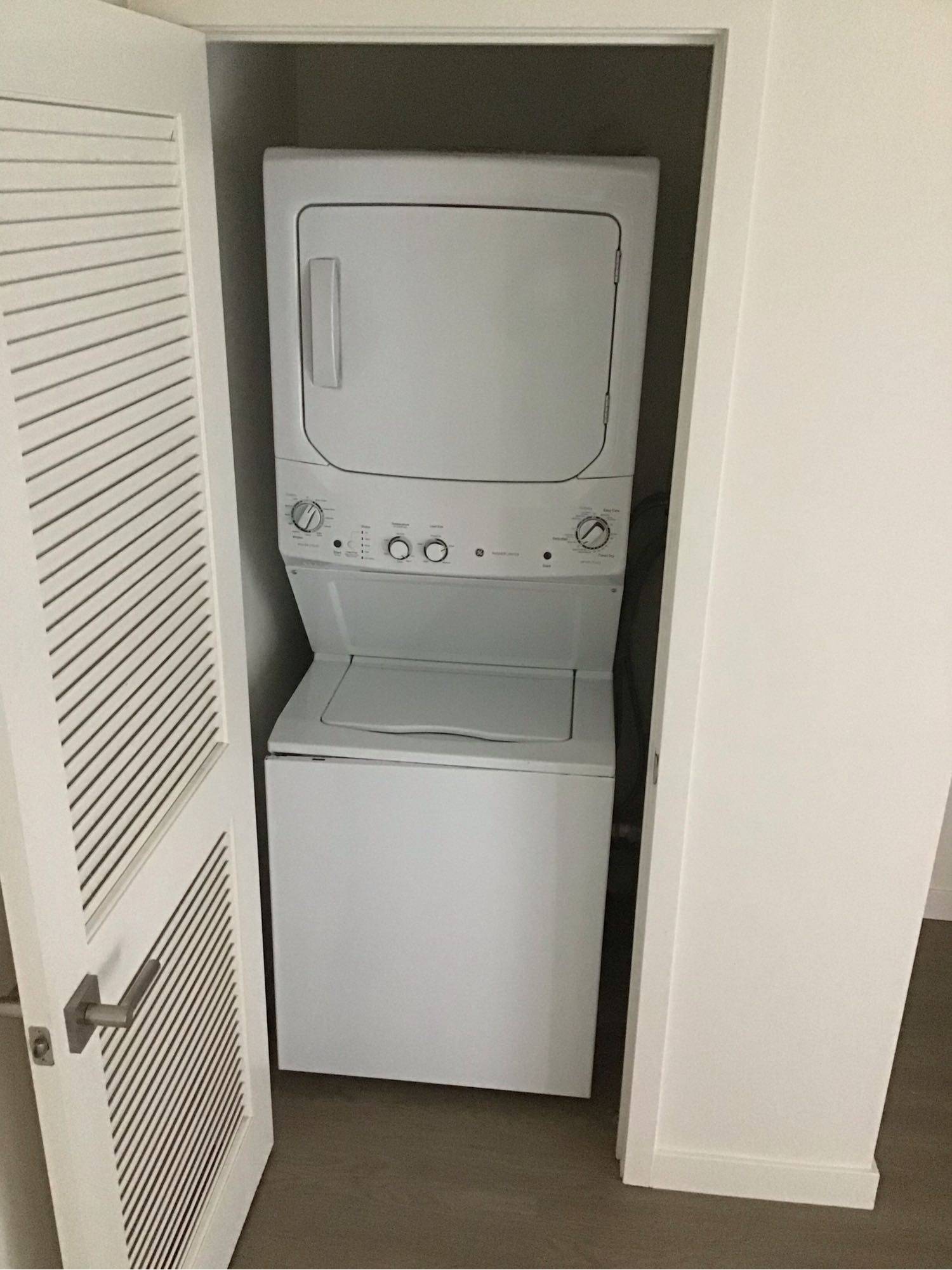
When a washing machine finishes its cycle but clothes come out unevenly wet, the issue usually points to how the load was spun or how water was removed during draining. The drum may still rotate, and the cycle may appear normal, yet moisture remains trapped in parts of the fabric. This pattern often signals a mechanical or hydraulic imbalance inside the system rather than a single obvious failure.
Understanding what causes this helps narrow down whether it’s a simple loading habit or a developing fault in the appliance.
Uneven load distribution during spin cycle
The spin cycle is designed to remove water by forcing clothes against the drum walls using centrifugal force. For this to work properly, the load must be evenly spread. When items clump together, especially heavy fabrics like towels or bedding, the machine struggles to balance the drum.
In many modern washers, sensors detect imbalance and reduce spin speed to protect internal components. This safety response can leave clothes significantly wetter than expected. The cycle may complete, but the spin stage is weakened or shortened.
Signs that point to load imbalance include:
- Heavy items forming a single mass inside the drum
- Frequent pauses during spin
- Clothes wetter on one side of the load
While this issue is often user-related, repeated imbalance can also indicate worn suspension components that no longer stabilize the drum effectively.
Worn shock absorbers or suspension springs
Inside the washing machine, shock absorbers and springs keep the drum steady during high-speed spinning. Over time, these parts lose tension or hydraulic resistance. When that happens, the drum shifts excessively during rotation.
The result is inconsistent spinning force across the load. Some sections of the laundry are spun efficiently while others retain moisture. You may also notice loud knocking or excessive vibration during the spin cycle.
If this mechanical support system weakens, even correctly loaded machines can produce uneven drying results.
Drainage issues slowing water removal
Another common cause lies in the drainage system. Before the spin cycle begins, water must be fully removed from the drum. If the drain pump or filter is partially blocked, water remains in the system and reduces spinning efficiency.
Typical causes include:
- Lint buildup in the drain filter
- Foreign objects restricting the pump
- Partially clogged drain hose
- Weak or failing drain pump motor
When drainage is slow, the machine may interrupt or reduce spin speed. Clothes then retain moisture unevenly, especially in thicker areas of fabric where water escapes more slowly.
Faulty speed or balance sensors
Modern washing machines rely on sensors to control drum speed and stability. If these sensors become miscalibrated or fail, the system may incorrectly interpret drum movement. As a result, the machine may reduce spin intensity even when the load is balanced.
This leads to a confusing pattern: the appliance appears to function normally, but performance drops without clear mechanical signs.
Overloading or incorrect cycle selection
Overloading remains one of the most common reasons for uneven moisture after washing. When too many items are packed into the drum, water and detergent cannot circulate freely. During spinning, the mass of clothing resists even distribution of force.
Similarly, using delicate or low-spin programs for heavy fabrics limits water extraction. The cycle completes, but residual moisture remains concentrated in thicker areas of the load.
Blocked air circulation and residual moisture
Some machines rely partially on airflow during the final stages of drying or spin completion. If vents or internal pathways are obstructed, moisture evaporates more slowly. While this is less common than drainage or imbalance issues, it can contribute to uneven dampness, especially in enclosed laundry environments.
When the issue signals a deeper fault
Occasional uneven wet patches are often related to loading habits. However, when the problem becomes consistent across different cycles and load types, it usually indicates wear in mechanical parts or malfunction in the drainage or sensor systems.
Warning signs include:
- Persistent uneven spin results regardless of load size
- Increased vibration or noise during spinning
- Longer-than-usual cycle times
- Visible water remaining after cycle completion
At this stage, continued use without inspection can lead to further wear on the motor, belt system, or control board.
Professional diagnosis and repair
A washing machine is a tightly coordinated system where small faults quickly affect overall performance. Identifying whether the issue comes from mechanics, drainage, or electronics requires proper testing tools and experience.
Technicians typically inspect:
- Drum balance system and suspension components
- Drain pump efficiency and filter condition
- Sensor accuracy and control board signals
- Motor performance under load
Addressing the root cause early prevents escalation into more expensive repairs.
When performance becomes inconsistent, service support matters
Uneven drying, weak spin cycles, and lingering moisture are early indicators that the appliance is working under strain. A professional inspection can restore normal operation and prevent further damage to internal components.
For accurate diagnosis and reliable repair, contact HOME APPLIANCE SERVICE CENTER to schedule a service visit and restore proper washing machine performance.
Contact us