619-928-5000
  Request Service
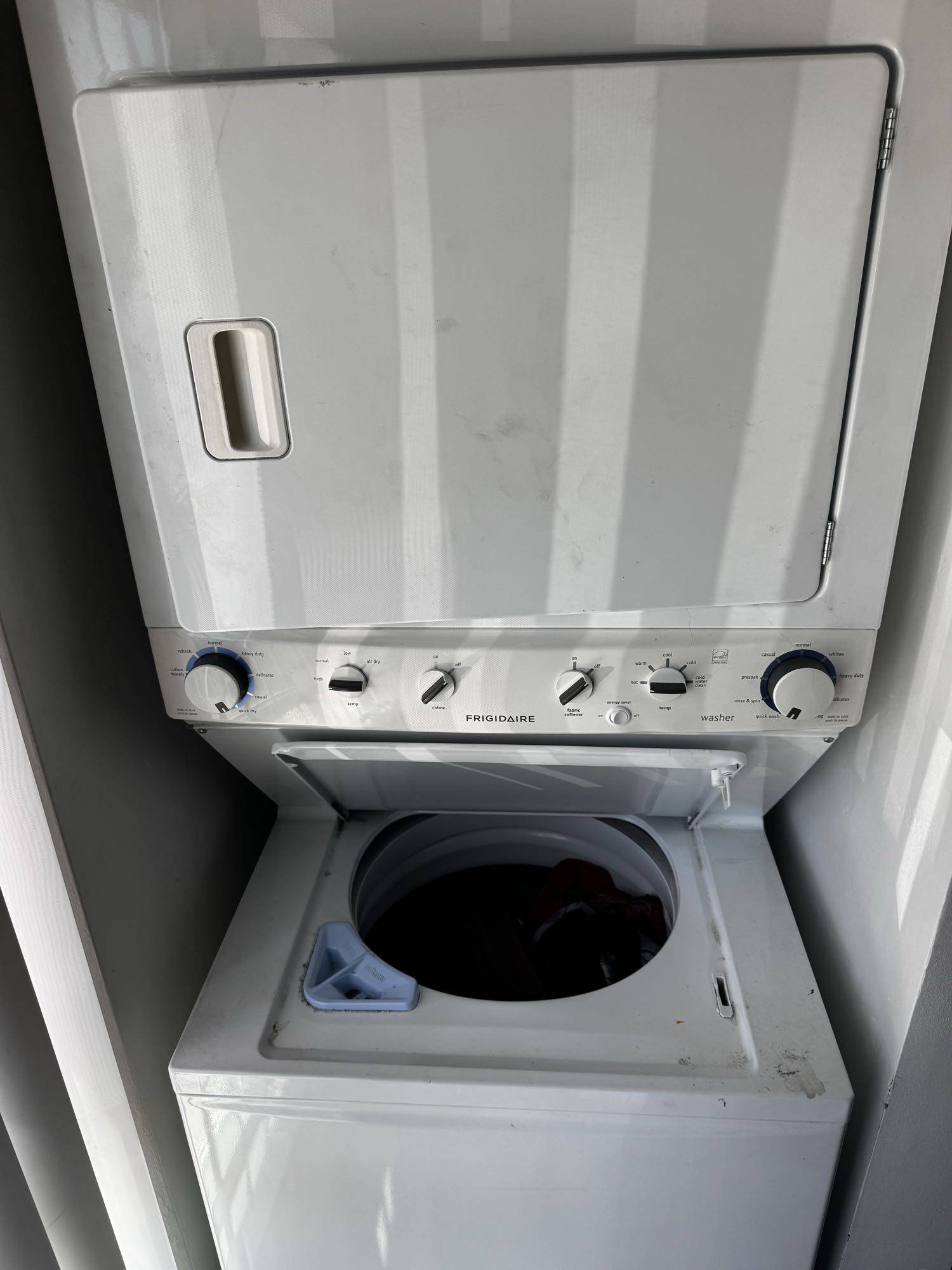
A washing machine is designed to fill with a specific amount of water, wash the load, rinse, and complete the cycle according to programmed settings. While some modern machines intentionally add small amounts of water at different stages to optimize performance, repeated and unexpected water fills throughout a single cycle may indicate a problem. If your washer keeps adding water several times, takes longer than usual to finish, or appears unable to determine the correct water level, inaccurate sensor readings may be the underlying cause.
Understanding how water-level sensing works can help identify why this issue develops and why professional diagnosis is often necessary.
How Washing Machines Determine Water Levels
Modern washing machines rely on sensors and control systems to measure how much water is inside the tub. Depending on the model, this process may involve:
- Water level pressure sensors
- Pressure switches
- Air dome systems
- Load-sensing technology
- Electronic control boards
These components communicate with one another to determine whether the machine has enough water for effective washing. When the sensor reports incorrect information, the control board may continue adding water because it believes the tub has not reached the required level.
As a result, the washer repeatedly pauses to fill, extending cycle times and increasing water consumption.
Faulty Water Level Pressure Sensor
One of the most common causes of repeated filling is a malfunctioning pressure sensor.
The pressure sensor measures air pressure generated as water rises inside the tub. As the water level increases, pressure changes are transmitted through a small hose connected to the sensor. The control board interprets this information and stops the fill process when the proper level is reached.
If the sensor becomes inaccurate, it may incorrectly report that the water level remains too low. The machine responds by adding more water multiple times throughout the cycle.
Symptoms often include:
- Extended wash cycles
- Repeated filling after washing begins
- Unexpected pauses followed by water intake
- Excessive water usage
Because pressure sensors contain delicate electronic components, they typically require testing with specialized equipment.
Blocked or Damaged Pressure Hose
In many washers, the pressure sensor depends on a small hose that carries air pressure signals from the tub.
Over time, detergent residue, lint, mineral deposits, or moisture buildup can partially block this hose. Cracks, loose connections, or pinholes can also interfere with pressure transmission.
When pressure changes fail to reach the sensor accurately, the machine may assume the tub contains less water than it actually does. This confusion often causes repeated filling attempts.
A damaged hose may produce symptoms similar to a defective sensor, making accurate diagnosis essential.
Load-Sensing System Problems
Many high-efficiency washing machines use advanced load-sensing technology.
Before filling completely, the machine evaluates the weight and distribution of the laundry load. Based on these measurements, it calculates the appropriate amount of water needed for efficient cleaning.
If load sensors provide incorrect information, the washer may repeatedly recalculate water requirements and continue adding water during the cycle.
Possible causes include:
- Sensor calibration issues
- Mechanical wear
- Wiring problems
- Software errors
In some cases, users mistakenly assume the machine is overfilling when it is actually attempting to compensate for inaccurate load measurements.
Control Board Communication Errors
The electronic control board acts as the washer’s central processing unit.
It receives information from various sensors and determines when to open or close the water inlet valves. If communication between the sensors and control board becomes unreliable, incorrect decisions may occur.
A faulty control board may:
- Misinterpret accurate sensor readings
- Ignore sensor signals
- Trigger unnecessary refill commands
- Cause erratic cycle behavior
Because control board failures can mimic many other issues, professional troubleshooting is usually required to avoid replacing functional components unnecessarily.
Water Inlet Valve Issues
While sensors are often responsible for repeated filling, the water inlet valve can also contribute.
The inlet valve controls water entering the machine. If it does not close properly, small amounts of water may continue flowing into the tub even after the desired level has been reached.
The washer’s sensors may detect these unexpected changes and attempt to compensate by adjusting the cycle repeatedly.
Signs of inlet valve problems may include:
- Slow continuous filling
- Water entering while the machine is idle
- Unusually high water levels
- Longer wash times
Valve testing can help determine whether the issue originates with the water supply system or the sensing system.
Air Dome Blockages
Many washers include an air dome chamber connected to the pressure sensing system.
The air dome helps create accurate pressure changes as water levels rise and fall. However, soap residue, lint, and mineral buildup can restrict airflow inside this chamber.
When pressure signals become distorted, the sensor receives inaccurate information. The washer may then continue adding water because it believes the tub has not filled sufficiently.
Air dome blockages often develop gradually, causing symptoms that worsen over time.
Effects of Repeated Water Filling
Although the washer may continue operating, repeated filling cycles can create several problems.
These include:
- Increased water consumption
- Higher utility bills
- Longer cycle durations
- Excessive wear on water valves
- Reduced washing efficiency
- Potential overfilling risks
The issue may also place additional strain on electronic components as the machine repeatedly attempts to correct perceived water-level problems.
Addressing the cause early can help prevent more expensive repairs later.
Can Users Fix the Problem Themselves?
Homeowners can perform a few basic checks, such as:
- Avoiding excessive detergent use
- Inspecting visible hoses for damage
- Checking for obvious leaks
- Running diagnostic cycles if available
However, determining whether the problem involves the pressure sensor, load sensor, control board, air dome, wiring, or inlet valve often requires specialized testing tools.
Replacing parts without proper diagnosis can increase repair costs while failing to resolve the underlying issue.
When Professional Service Is Recommended
If your washing machine repeatedly adds water throughout the wash cycle, experiences unusually long runtimes, or appears unable to detect proper water levels, professional inspection is recommended.
A trained technician can evaluate the sensor system, inspect pressure hoses, test electronic controls, verify inlet valve performance, and identify the exact source of the malfunction.
At HOME APPLIANCE SERVICE CENTER, experienced technicians diagnose and repair washing machine sensor problems, water-level control issues, electronic faults, and filling-system malfunctions. Prompt service helps restore efficient operation, reduce water waste, and prevent additional damage. Contact HOME APPLIANCE SERVICE CENTER today to schedule a professional washing machine inspection and repair.
Contact us