619-928-5000
  Request Service
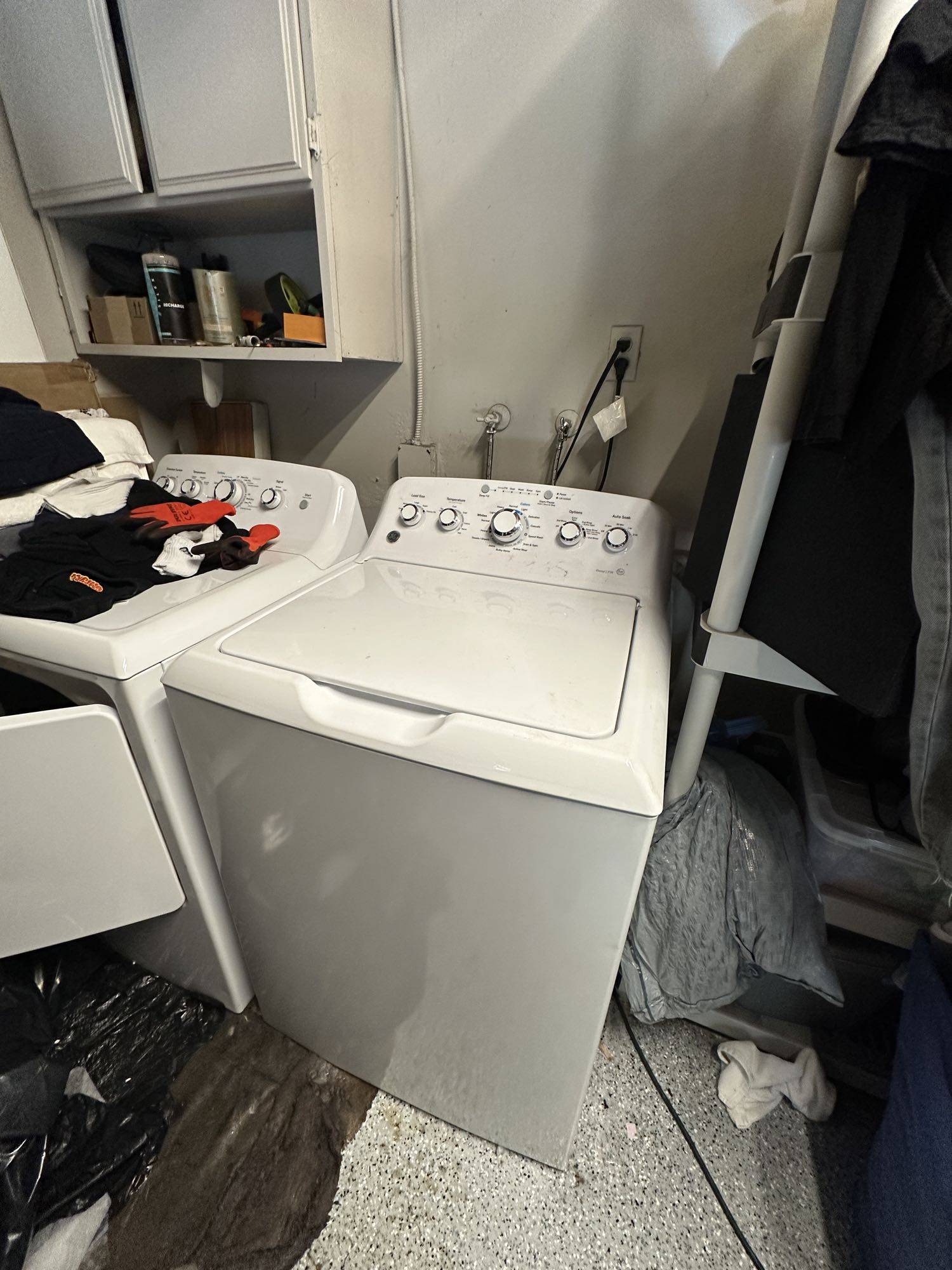
A washing machine should switch between spin directions with a steady, controlled motion. When a clunking sound appears right at the moment the drum changes direction, it usually signals mechanical play somewhere in the drivetrain or a loss of stability in the drum support system. Ignoring this symptom often leads to faster wear of surrounding components and more expensive repairs later.
What happens during drum reversal
During a wash cycle, the motor alternates the drum’s rotation to distribute clothes evenly and improve cleaning efficiency. Each reversal puts short bursts of stress on mechanical joints, mounts, and support elements. When everything is in good condition, those transitions are almost silent. If parts are worn or loose, the shift in torque creates a sharp knock or clunk.
The sound itself is important. A single heavy clunk at every direction change usually points to mechanical slack. Repeated rattling or shaking throughout the cycle may indicate a broader imbalance or suspension issue.
Drive hub wear as a common cause
The drive hub connects the drum to the transmission or motor shaft. It transfers torque and keeps the drum aligned during rotation. Over time, especially under heavy loads or frequent washing cycles, the hub can wear down or develop cracks.
When this happens, the drum no longer sits perfectly tight on the shaft. At the moment of direction change, the loosened connection shifts slightly before engaging again. That micro-movement creates a distinct clunking sound.
Early signs often include:
- Slight delay in drum response when starting or stopping
- Intermittent metallic noise during agitation
- Visible wobble when the drum is turned by hand (machine off)
If the hub continues to degrade, it can eventually fail completely, leaving the drum unable to rotate properly.
Suspension system issues
The suspension system keeps the drum stable inside the cabinet. It usually consists of shock absorbers, springs, or dampers depending on the machine design. Its job is to absorb movement when the drum accelerates, stops, or reverses direction.
When suspension components wear out, the drum becomes less controlled. Instead of staying centered, it shifts inside the housing during direction changes. That movement produces a heavy clunk, especially noticeable during the transition between spin directions.
Typical signs of suspension wear include:
- Excessive vibration during spin cycles
- Drum visibly hitting the cabinet walls in some cases
- Machine “walking” or shifting position on the floor
- Increased noise with heavier loads
Suspension issues tend to worsen gradually. What starts as a mild noise can develop into strong shaking that affects bearings, seals, and the motor mount.
Other contributing factors
Although drive hub and suspension wear are the most common reasons, other components can produce similar symptoms:
- Loose counterweights: Concrete or metal weights inside the machine may shift if mounting bolts loosen.
- Worn drum bearings: Bearings create more of a grinding or rumbling noise, but early wear can contribute to clunks during load shifts.
- Motor coupling issues: In some models, a coupling connects motor and transmission and can develop play over time.
- Overloading: Consistently exceeding load capacity increases stress on all mechanical joints.
A proper diagnosis usually requires checking several points rather than focusing on one part.
Why the noise appears only during reversal
The key detail in this symptom is timing. The noise happens specifically when the drum changes direction, not during constant spinning. That moment is where torque switches abruptly from one side to the other. Any looseness in the system is exposed immediately.
A worn drive hub reacts by shifting under load. A weakened suspension allows the drum to move slightly before stabilizing. Both create the same audible effect, even though the root cause differs.
Risks of delaying repair
A clunking sound may seem minor at first, but it usually indicates that a component is already mechanically compromised. Continued operation under these conditions increases stress on connected parts.
Possible consequences include:
- Damage to the drum shaft or spider assembly
- Accelerated bearing failure
- Cracked mounting points inside the cabinet
- Increased energy consumption due to imbalance
- Complete drum seizure in severe cases
Early intervention is typically far less expensive than replacing multiple damaged assemblies later.
What can be checked at home
Without disassembling the machine, a few safe observations can help narrow the issue:
- Rotate the drum manually when the machine is off and check for looseness or knocking
- Run a short cycle with no laundry and listen for direction-change clunks
- Compare noise intensity between light and heavy loads
- Check whether the machine shifts position during spin
These checks do not replace technical inspection, but they help identify whether the problem is load-related or mechanical.
Professional repair approach
A technician will usually start with mechanical play tests, followed by inspection of the drive hub and suspension system. If the hub is worn, it is replaced as a unit. If suspension components are weakened, shock absorbers or springs are changed in sets to maintain balance.
In some cases, multiple issues appear together. For example, a worn suspension can accelerate hub wear due to increased vibration. That is why a full diagnostic is important rather than replacing parts individually based on assumptions.
A clunking noise during drum reversal is a mechanical warning sign, not a normal operating sound. Most often, it traces back to wear in the drive hub or degradation of the suspension system. Both issues affect drum stability at the exact moment the motor changes direction, which explains why the sound is so specific and consistent.
Timely inspection prevents further damage and keeps the machine operating within safe mechanical limits.
For accurate diagnosis and repair, it is advisable to order service from HOME APPLIANCE SERVICE CENTER.
Contact us