619-928-5000
  Request Service
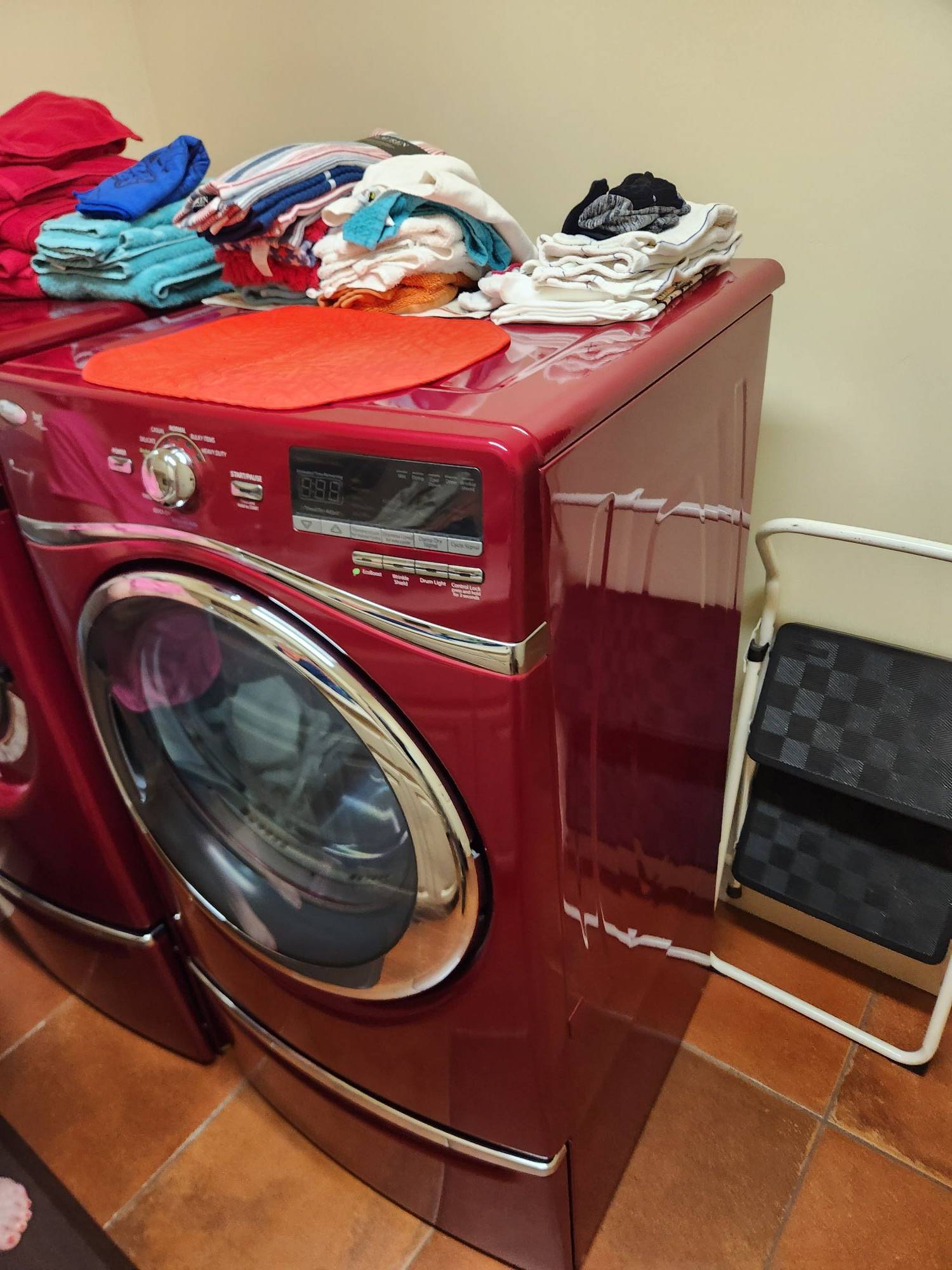
A washing machine is not a silent appliance, but its sound pattern usually changes depending on the stage of the cycle. Filling, washing, rinsing, and spinning all produce different acoustic signatures. When a steady low humming persists through the entire wash phase, it often signals that the motor or related components are working under constant load rather than alternating between normal operating modes.
This type of sound should not be dismissed as background noise. In many cases it reflects early mechanical or electrical stress that can shorten the lifespan of the motor, increase energy consumption, and eventually lead to full cycle failure.
Motor working against resistance
One of the most common explanations is increased resistance inside the drum assembly. When the drum does not rotate freely, the motor compensates by maintaining torque for longer periods. This creates a continuous hum without the usual rhythm of acceleration and pause.
Resistance can come from worn drum bearings, a partially seized pulley system, or debris caught between the drum and tub. Even minor friction is enough to keep the motor under near-constant load.
Belt tension and drive issues
In belt-driven machines, the belt transfers power from the motor to the drum. Over time it can stretch, slip, or become misaligned. A slipping belt forces the motor to work continuously to maintain movement, producing a uniform humming sound instead of distinct cycle changes.
If the belt is too tight, it creates the opposite problem: excessive strain on both the motor shaft and drum pulley. In both cases, the system loses efficiency and the motor compensates by running harder for longer periods.
Motor capacitor degradation
Many washing machines rely on a start or run capacitor to regulate motor function. When this component weakens, the motor may struggle to reach proper operating speed. Instead of cycling through phases smoothly, it remains in a low-efficiency state, producing a constant hum.
A failing capacitor does not always stop the machine from working immediately. Instead, it gradually reduces performance, making cycles longer and less effective while increasing electrical strain.
Foreign objects and internal blockage
Small items such as coins, buttons, or fabric clips can enter the pump or drum housing. Even when they do not fully block movement, they can create intermittent resistance that keeps the motor engaged more frequently than normal.
This type of issue often develops after a single unnoticed incident, but the effect becomes persistent. The machine continues to run, but the motor compensates continuously for irregular movement.
Control system or sensor miscommunication
Modern washing machines rely on sensors to determine water level, load balance, and drum speed. If a pressure sensor or tachometer provides incorrect readings, the control board may fail to transition between stages correctly.
As a result, the motor may remain active in a low-power state instead of switching between washing and pausing cycles. This creates a uniform humming sound that lasts throughout the wash phase.
Pump strain and partial drainage problems
Although the noise appears motor-related, the drainage system can also contribute. If the pump is partially blocked, the machine may repeatedly attempt to stabilize water levels. This can keep the motor engaged longer than expected, especially in cycles where water movement is frequent.
Over time, the combined load from pump resistance and drum friction increases overall mechanical strain.
Electrical supply instability
Voltage fluctuations or weak electrical connections can also affect motor behavior. When the motor does not receive stable power, it may fail to switch between operating modes cleanly. Instead, it stays in a low, continuous hum as it tries to maintain consistent torque under unstable conditions.
This issue is often overlooked but can accelerate wear on the motor windings.
Why continuous humming should not be ignored
A persistent hum is not just an acoustic inconvenience. It usually indicates that the motor is compensating for a deeper mechanical or electrical imbalance. The longer the machine operates under these conditions, the higher the risk of overheating, bearing damage, or complete motor failure.
Early inspection can prevent secondary damage to connected components such as the belt system, control board, and drum mounts.
Professional inspection and repair
Identifying the exact source of continuous motor strain requires systematic testing of mechanical resistance, electrical output, and sensor accuracy. Without proper diagnostics, replacing individual parts based on assumption often fails to resolve the issue.
A qualified technician can evaluate motor load, inspect drive components, test capacitors, and verify control signals to determine the root cause efficiently.
For accurate diagnosis and reliable repair, it is recommended to order service from HOME APPLIANCE SERVICE CENTER before the issue progresses into a full motor breakdown.
Contact us