619-928-5000
  Request Service
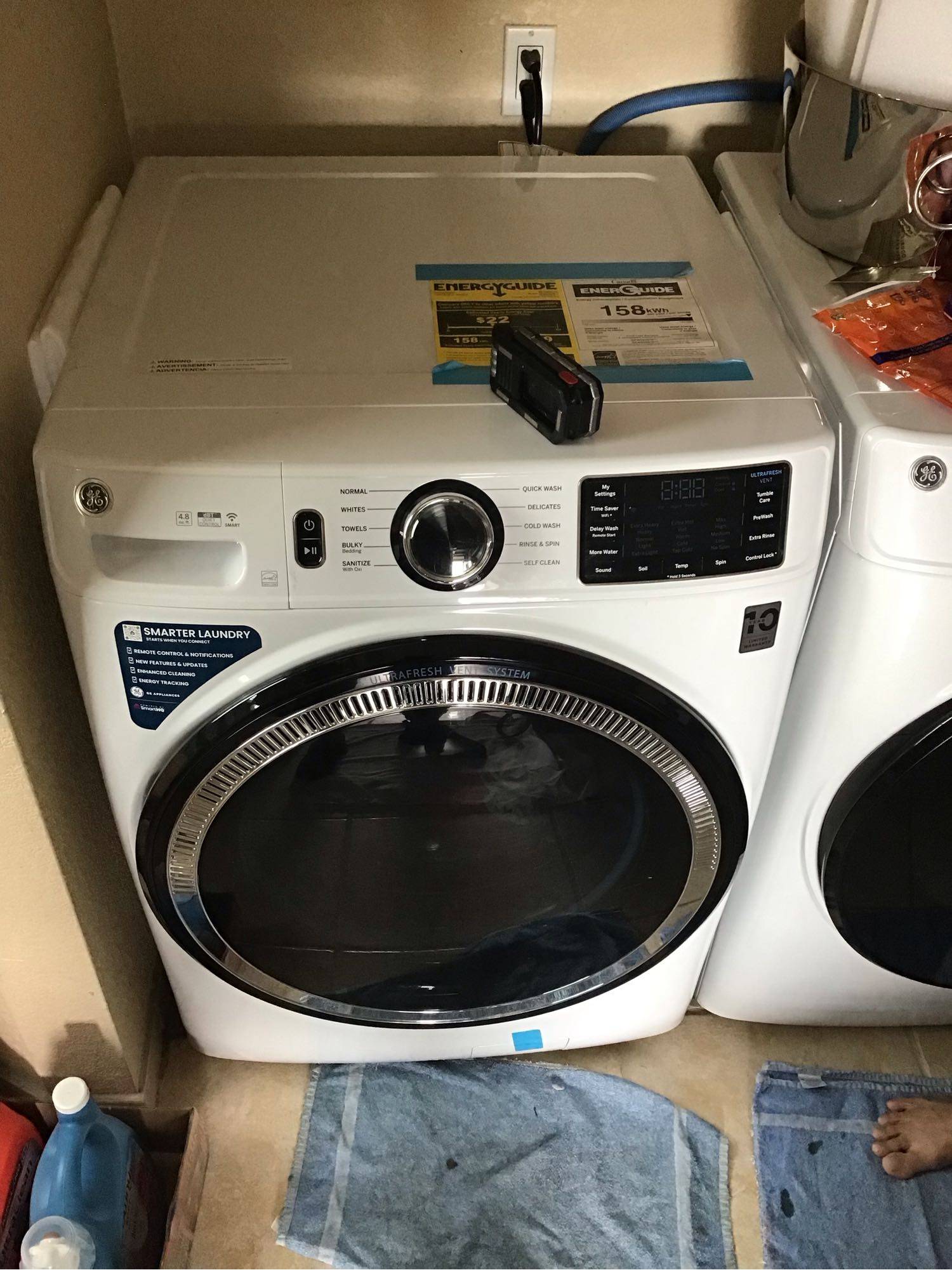
A washing machine follows a carefully programmed sequence of operations. It fills with water, washes, drains, rinses, spins, and repeats portions of the cycle as needed. When the appliance drains correctly but fails to refill with water for the next stage, the cycle cannot continue as intended. Instead, the machine may remain idle, display an error code, or stop completely while waiting for water that never enters the drum.
Although this issue may appear to be caused by a plumbing problem, the fault often lies inside the washing machine itself. Two of the most common causes are a defective water inlet valve or a malfunctioning control board. Identifying the exact source of the problem is essential for an effective repair.
How the Refill Process Works
After draining the used wash water, the control board sends power to the water inlet valve. The valve opens, allowing fresh water to flow into the drum. Once the required water level is reached, the pressure sensor signals the control board to close the valve and continue to the next part of the cycle.
If any component in this sequence fails, the machine may never begin filling again.
Faulty Water Inlet Valve
The inlet valve is one of the most frequent causes of refill problems. This electrically controlled valve regulates the flow of hot and cold water into the washer.
Over time, mineral deposits, sediment, or internal wear can prevent the valve from opening properly. Even if the valve worked during the initial fill, it may fail when the machine requests water again later in the cycle.
Common signs include:
- The washer fills only once.
- No water enters during the rinse cycle.
- A humming sound is heard, but no water flows.
- The cycle pauses indefinitely while waiting for water.
A technician can test the valve using electrical measurements and inspect it for internal blockages or mechanical failure.
Clogged Inlet Screens
Small mesh filters inside the inlet valve help prevent debris from entering the washing machine. If these screens become clogged with sediment from the household water supply, water flow may become restricted.
In some situations, enough water passes during the first fill, but the reduced flow prevents the machine from reaching the required water level during later stages.
Cleaning the inlet screens often restores proper operation, provided the valve itself has not been damaged.
Malfunctioning Control Board
The electronic control board coordinates every stage of the wash cycle. If it fails to send voltage to the inlet valve after draining, the machine will never begin refilling.
Control board failures may result from:
- Electrical surges
- Moisture damage
- Burned electronic components
- Aging circuitry
Symptoms often include inconsistent behavior. One cycle may complete successfully, while another stops unexpectedly. Some machines may display random error codes or become stuck at the rinse cycle.
Because modern control boards communicate with multiple sensors simultaneously, accurate diagnosis requires specialized testing equipment.
Pressure Switch or Water Level Sensor Issues
The washer depends on a pressure switch or electronic water level sensor to determine how much water is inside the drum.
If this sensor incorrectly reports that the drum is already full, the control board will not activate the inlet valve.
Possible symptoms include:
- Empty drum while the machine believes it is full.
- Skipped rinse cycles.
- Interrupted wash programs.
- Incorrect water levels.
Replacing the sensor without confirming the diagnosis can lead to unnecessary repairs, making professional testing the preferred approach.
Wiring Problems
Electrical wiring connects the control board to the inlet valve and sensors. Loose connectors, damaged wires, or corrosion can interrupt communication between components.
These wiring issues may create intermittent failures that only appear during specific parts of the wash cycle.
Technicians inspect wiring harnesses, connectors, and electrical continuity before replacing expensive electronic parts.
Door Lock Problems
Many washing machines require confirmation that the door is securely locked before allowing water to enter.
If the door lock assembly briefly loses communication with the control board after draining, the washer may refuse to refill even though the door appears closed.
In these situations, additional symptoms may include:
- Door lock warning lights.
- Clicking sounds.
- Cycle interruptions.
- Failure to start rinse cycles.
Water Supply Problems
Although internal failures are common, external water supply issues should also be considered.
Possible causes include:
- Closed water supply valves.
- Kinked inlet hoses.
- Low household water pressure.
- Frozen supply lines in cold climates.
Checking these simple items can sometimes resolve the problem without further repairs.
Why Professional Diagnosis Matters
Because several different components can produce nearly identical symptoms, replacing parts based on guesswork often increases repair costs.
Professional technicians use electrical testing equipment to verify:
- Voltage reaching the inlet valve.
- Valve resistance.
- Pressure sensor operation.
- Control board outputs.
- Wiring continuity.
This systematic approach identifies the actual failed component while avoiding unnecessary replacements.
Preventing Future Problems
Routine maintenance helps reduce the likelihood of refill issues.
Helpful maintenance practices include:
- Cleaning inlet hose screens periodically.
- Inspecting water hoses for kinks.
- Using a whole-house sediment filter if water contains heavy mineral deposits.
- Protecting appliances from electrical surges with quality surge protection.
- Scheduling maintenance if unusual cycle behavior develops.
These simple steps can extend the life of your washing machine and improve reliability.
When to Schedule Service
If your washing machine drains normally but refuses to refill with water during the next cycle, the issue is unlikely to resolve on its own. Continued operation attempts may lead to incomplete washes, repeated interruptions, or additional damage to electronic components.
The experienced technicians at HOME APPLIANCE SERVICE CENTER can accurately diagnose whether the problem involves the inlet valve, control board, pressure sensor, wiring, or another component. Prompt professional service restores reliable performance while helping prevent more costly repairs in the future.
Contact HOME APPLIANCE SERVICE CENTER today to schedule a professional washing machine inspection and get your laundry routine back on track.
Contact us