619-928-5000
  Request Service
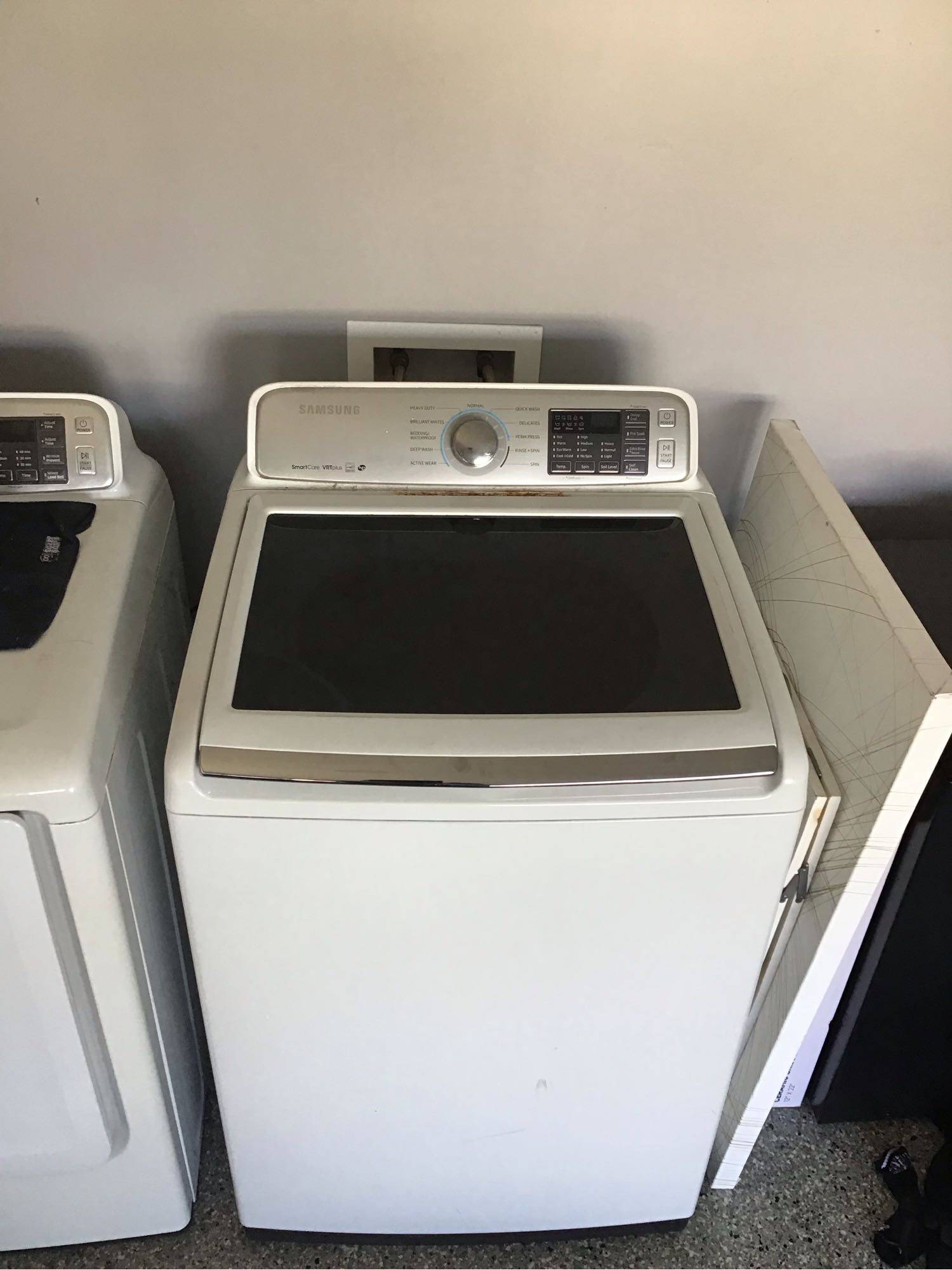
A Whirlpool dryer that suddenly takes much longer to dry clothes can turn a simple laundry routine into a frustrating process. If one load used to finish in a single cycle but now requires two or three, the dryer is telling you that something is wrong. In many cases, the cause is restricted airflow from a clogged vent, but a failing heating element can produce similar symptoms. Understanding the likely causes can help you decide when basic maintenance is enough and when professional dryer repair is needed.
A Clogged Vent Can Make Drying Take Much Longer
The dryer needs a steady flow of warm air to remove moisture from clothing. Air passes through the drum, collects moisture, and exits through the exhaust vent. When lint accumulates inside the lint screen housing, exhaust hose, or exterior vent, that airflow becomes restricted. As a result, moist air remains inside the dryer for longer. Clothes may feel warm at the end of a cycle but still be damp because the moisture cannot escape efficiently. A clogged vent can also cause the dryer to run hotter than normal. The appliance may shut down prematurely because of overheating protection, or the cycle may continue for an unusually long time. Clean the lint screen after every load and check the exterior vent for visible restrictions. However, lint can accumulate deep inside the vent system where it cannot be reached easily. Professional vent cleaning may be necessary when airflow remains weak.
The Heating Element May Be Failing
Another common reason a Whirlpool dryer takes too long to dry clothes is a defective heating element. The heating element produces the heat required to evaporate moisture from the laundry. If part of the element has burned out or the component is damaged, the dryer may still tumble normally while producing insufficient heat. One useful observation is the temperature of the clothes during a cycle. If the drum tumbles but the laundry remains cool or only slightly warm, the heating system should be inspected. A heating element can fail gradually or stop working completely. In some cases, the element may have visible damage, but electrical testing is usually needed to determine whether it is actually defective.
A Blower Wheel Problem Can Also Reduce Airflow
The blower wheel moves heated, moist air out of the drum and through the exhaust system. If the wheel is damaged, blocked by lint, or unable to rotate correctly, airflow can decrease. A dryer with a blower wheel problem may produce unusual rattling or humming sounds. It may also take significantly longer to dry clothes even when the lint screen appears clean. Because the blower wheel is connected to the dryer’s internal airflow system, diagnosing the problem often requires removing panels and inspecting the component.
The Moisture Sensor Could Be Contributing
Whirlpool dryers equipped with automatic or sensor-based drying cycles use moisture sensors to determine when clothes are dry. If the sensors become coated with fabric softener residue or other buildup, they may not detect moisture accurately. This can cause the dryer to end the cycle too early or behave inconsistently. The sensor bars can usually be cleaned with a soft cloth and a small amount of mild cleaner. Avoid abrasive materials that could damage the sensor surfaces. If the dryer continues to misread moisture levels after cleaning, professional diagnosis can determine whether the sensor or another control component is responsible.
Overloading Can Increase Drying Time
The problem may also come from how the dryer is being loaded. When the drum is packed too tightly, clothes cannot move freely. Warm air cannot circulate evenly through the load, so moisture remains trapped in the fabric. Heavy items such as towels, blankets, and thick clothing naturally require more drying time, especially when mixed with lighter garments. Try drying a smaller load and separating heavy fabrics from lightweight clothing. If a properly sized load still requires multiple cycles, the appliance likely needs inspection.
Why Ignoring the Problem Can Be a Mistake
A dryer that takes too long to dry is often working harder and running longer than it should. This increases energy consumption and places additional strain on components such as the heating system, motor, blower, and thermal safety devices. A restricted vent deserves particular attention because excessive lint buildup can create an overheating hazard. Regular lint-screen cleaning and proper exhaust maintenance are essential parts of dryer care. If basic cleaning does not restore normal drying performance, continuing to operate the appliance through repeated long cycles may only make the underlying problem worse.
Professional Whirlpool Dryer Repair
Diagnosing a slow-drying Whirlpool dryer requires checking several systems rather than automatically replacing one part. A technician can inspect the exhaust airflow, heating element, thermostats, thermal fuse, blower wheel, moisture sensors, wiring, and other components. Once the cause is identified, the defective part can be repaired or replaced as needed. Professional service can also help identify airflow restrictions that are difficult to locate during a basic home inspection. If your Whirlpool dryer takes too long to dry clothes, contact HOME APPLIANCE SERVICE CENTER to schedule professional appliance repair. A proper inspection can identify whether a clogged vent, heating element failure, airflow problem, or another component is responsible and help restore efficient drying performance.
Contact us
(619) 928-5000
[email protected]