619-928-5000
  Request Service
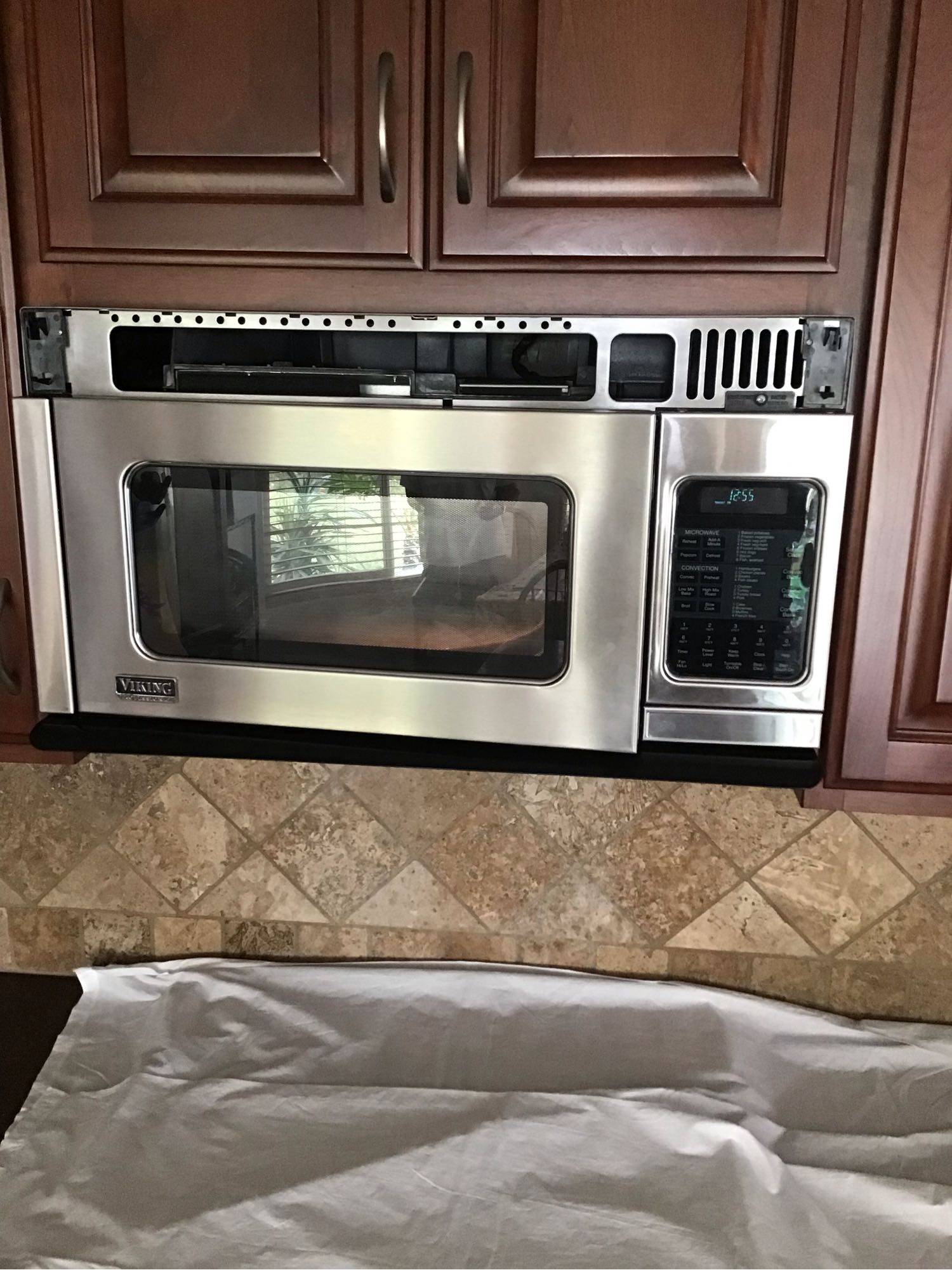
A microwave that starts normally and then stops within seconds usually signals a protective shutdown. The unit is detecting a fault and cutting power to prevent damage or unsafe operation. Two causes show up most often: internal overheating and problems with the door interlock system. Both can look similar on the surface, but they come from very different parts of the appliance.
How the shutdown system works
Microwaves are built with safety controls that monitor temperature and door status in real time. If airflow is restricted or a key component reaches unsafe heat levels, the system stops operation. The same happens if the door signal is inconsistent. Even a minor interruption in the door switch circuit can trigger an immediate stop.
This behavior is not random. It is designed to prevent microwave radiation leakage, electrical overload, and component failure.
Overheating as a common cause
Overheating often starts with restricted airflow. Microwaves depend on internal fans and vents to remove heat generated by the magnetron and high-voltage components. When these pathways are blocked, temperature rises quickly.
Typical reasons include:
- Dust buildup inside ventilation openings
- Grease accumulation around air channels
- A failing or slow cooling fan
- Extended cooking cycles without breaks
- Placement too close to walls, limiting airflow
When heat rises beyond safe limits, a thermal fuse or thermostat shuts the unit down. In many cases the microwave will restart after cooling, only to shut off again once the temperature climbs.
A failing magnetron can create a similar pattern. As it weakens, it may draw irregular current and produce excess heat, forcing the system to shut down as protection.
Door switch and latch system issues
Inside the microwave door frame are interlock switches that confirm whether the door is fully closed. Most models use multiple switches working together. If even one becomes misaligned or worn, the control board receives an unstable signal.
Common door-related problems include:
- Worn or cracked door latch components
- Misaligned door hinges from repeated use
- Dust or debris interfering with switches
- A failing primary or secondary interlock switch
- Loose internal connections near the door assembly
When the system detects inconsistent door status, it shuts the microwave down immediately. This can happen even if the door appears fully closed from the outside.
Other technical causes worth noting
While overheating and door switches account for most cases, other faults can contribute:
- Control board malfunctions that interrupt operation
- Power supply instability from a damaged capacitor or transformer
- Internal wiring issues causing momentary signal loss
These failures are less common but tend to produce more unpredictable shutdown patterns.
Basic checks before repair
Some simple steps can help narrow down the issue:
- Unplug the microwave and let it cool completely.
- Inspect ventilation openings for dust or grease buildup.
- Check that the microwave has clear space around it for airflow.
- Open and close the door firmly to test latch stability.
- Avoid running long heating cycles until the issue is identified.
If the problem repeats after cooling and basic inspection, internal components are likely involved.
Why continued use can be risky
A microwave shutting off mid-cycle is not only inconvenient. It often signals stress on electrical or thermal systems. Repeated restarts can increase wear on the control board and heating components. In cases involving door switches, safety protection may not function reliably if parts are failing.
When professional service is necessary
Technical repair becomes necessary when:
- The microwave shuts off within seconds every time
- Cooling does not restore normal operation
- The door feels loose or inconsistent
- There is a burning smell or unusual noise
- The unit restarts unpredictably during use
At this stage, internal diagnostics are required to locate the exact fault, especially in high-voltage sections and safety interlocks.
Prevention and maintenance
Long-term reliability depends on airflow and careful use. Keeping vents clean, avoiding grease buildup, and ensuring proper spacing around the appliance reduces overheating risk. Gentle handling of the door mechanism also extends the life of interlock switches.
Regular cleaning inside and outside the microwave prevents dust accumulation that often leads to thermal shutdowns.
Professional repair support
If a microwave shuts down shortly after starting, accurate diagnosis saves time and prevents further damage. The issue may be simple, but it often involves components that require testing equipment and safe disassembly.
For reliable diagnostics and repair, contact HOME APPLIANCE SERVICE CENTER to restore safe and stable operation.
Contact us