619-928-5000
  Request Service
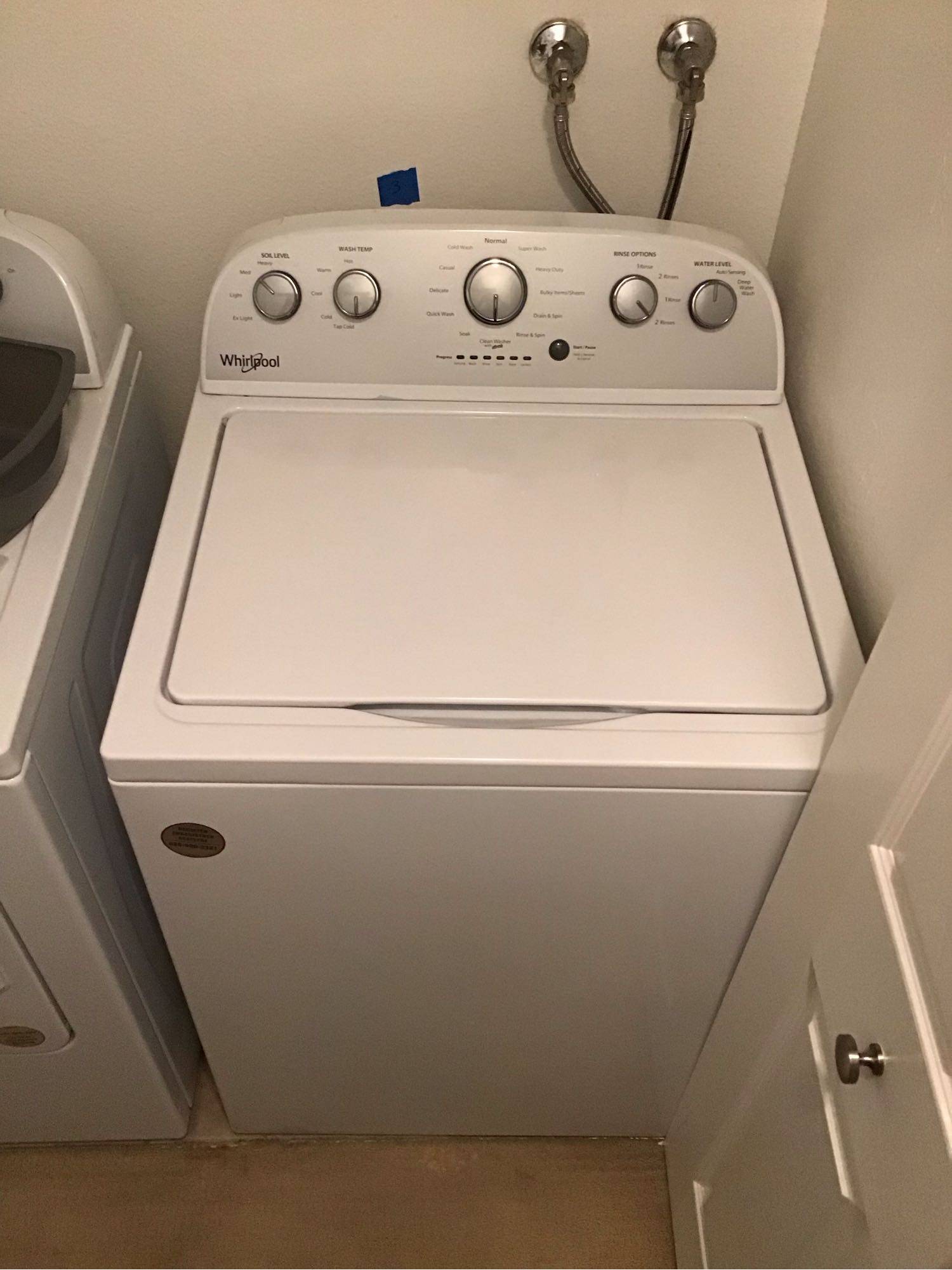
A washing machine that powers on, fills with water, and begins a cycle but then suddenly skips stages is signaling a disruption in its programmed operation. This behavior is often inconsistent: sometimes the rinse cycle is missing, sometimes the machine jumps straight to spin, and in some cases it stops entirely before completion. The issue is rarely random. It usually points to a fault in either the control system, sensing components, or mechanical feedback loop that manages the wash sequence.
Understanding where the interruption begins helps narrow the possible causes. Modern washing machines rely on electronic control boards that coordinate each stage of the cycle based on sensor input. When any part of this communication fails, the machine may “decide” to skip steps or reset the program.
Faulty control board or software glitch
The control board acts as the operational center of the appliance. It sends signals to valves, motors, and pumps at precise intervals. If it develops a fault due to wear, moisture exposure, or voltage fluctuation, it may misinterpret cycle progression.
In some cases, the machine does not fully register that a stage has completed. For example, it may not detect that the water has reached the required level or that the drum has finished agitation. Instead of waiting, the system advances to the next phase or skips ahead. Intermittent skipping is a common early sign of control board instability.
Water level sensor issues
A pressure switch or water level sensor ensures the machine knows how much water is inside the drum. If this sensor becomes clogged, damaged, or miscalibrated, it may send incorrect signals.
When the control system believes the drum is empty or full at the wrong time, it can disrupt the sequence. The machine may drain prematurely or skip rinsing because it assumes the previous stage has already completed.
Motor control or tachometer failure
The motor is responsible for turning the drum at precise speeds during washing and spinning. A tachometer attached to the motor reports speed data back to the control board. If this feedback is inaccurate, the system may interrupt or skip phases to prevent perceived imbalance or overload.
Worn motor brushes, loose wiring, or a failing tachometer sensor can all create inconsistent cycle behavior. In these cases, the machine may run briefly, pause unexpectedly, then jump forward in the program.
Drainage system restrictions
A partially blocked drain pump or hose can cause timing disruptions. If water is not removed quickly enough, the machine may attempt to compensate by skipping rinse or spin cycles. Some models are programmed to bypass stages when they detect drainage delays, prioritizing safety and preventing overflow.
Even minor obstructions like lint buildup or small objects in the pump filter can interfere with normal cycle progression.
Door lock and safety interlocks
The door lock mechanism is a critical safety component. If the machine intermittently loses confirmation that the door is locked, it may pause or skip steps. Faulty wiring in the door switch or wear in the locking mechanism can create unstable signals.
This often results in unpredictable cycle behavior, where the machine restarts, pauses, or advances without completing expected stages.
Voltage fluctuations and power instability
Washing machines are sensitive to inconsistent voltage supply. Sudden drops or spikes can interrupt the control board’s timing logic. In some cases, the machine resets partway through a cycle and resumes in a different phase or skips steps entirely.
This is more common in homes with unstable electrical networks or shared high-load circuits.
When professional inspection is necessary
Intermittent cycle skipping is rarely resolved by simple resets. The underlying cause often involves electronic diagnostics or component-level testing. Continued use without repair may increase wear on the motor, pump, and control system.
A qualified technician can run diagnostic modes, check sensor calibration, inspect wiring continuity, and test the control board under load conditions to identify the exact failure point.
For accurate diagnosis and reliable repair, professional servicing is the most effective solution.
Contact HOME APPLIANCE SERVICE CENTER to restore proper cycle performance and prevent further damage to your washing machine.
Contact us